How an energy storage system can reduce costs in a manufacturing plant?
Partner of the article: Avrii
In the face of rising energy prices and operational costs, more and more companies are looking for ways to improve their energy efficiency. Avrii, using its proprietary Technical and Economic Analysis (ATE), conducted an audit of a facility specializing in precision CNC machining.
The analyzed company operates a fleet of more than 80 modern machines and consumes around 3,142 MWh of electricity annually. This scale of operations creates significant potential for optimizing energy costs.
Reduction of the capacity fee
One of the main areas of analysis was the capacity fee. Under the current consumption profile, this cost exceeded PLN 195,000 per year.
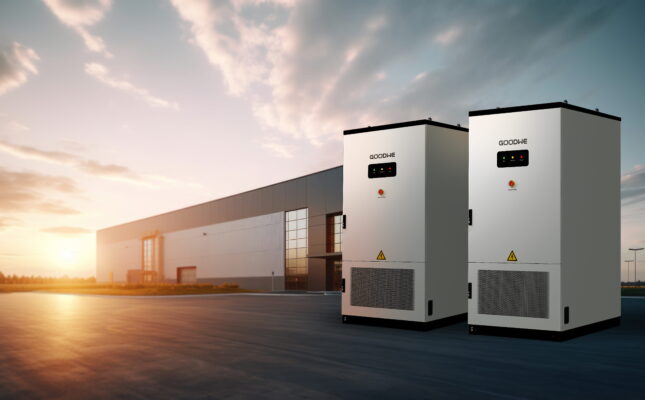
Implementing an energy storage system with 250 kW of power and 522 kWh of capacity allowed the company to reduce power draw during the hours used to calculate the capacity fee. According to the analysis, the company can reduce this cost by 29.3%, which translates into more than PLN 51,000 in annual savings.
Additional revenue from the DSR program
The analysis also identified the possibility of participating in the DSR (Demand Side Response) program, which involves maintaining readiness to temporarily reduce power consumption upon request from the grid operator.
With an energy storage system, the company could declare a reduction readiness level of 200 kW without affecting the production process. During activation periods, the required energy would be supplied by the on‑site battery storage system. The estimated remuneration for participation and maintaining readiness is approximately PLN 29,000 per year.
Stabilization of the energy consumption profile
Before implementing the storage system, the facility’s energy profile was characterized by significant spikes in power demand, increasing the risk of exceeding contracted capacity and generating additional costs.
After implementation, the energy storage system operates in Peak Shaving mode, automatically covering short‑term demand peaks with energy stored in the batteries. This stabilizes the consumption profile and enables more efficient use of the connection capacity. The storage system accounts for only 4.73% of total energy flow, yet this is sufficient to achieve substantial economic benefits.
Even greater benefits with a PV installation
The analyzed facility does not currently have a photovoltaic installation. However, the analysis showed that building a 700 kWp PV system combined with energy storage would significantly increase the profitability of the investment.
The storage system would enable efficient use of surplus solar energy, generating additional savings of around PLN 17,000 per year. According to the analysis, this would allow the facility to achieve over 70% self‑consumption.
The total annual financial benefits identified in the analysis exceed PLN 153,000.
Leave a Reply