Gas reaches €54 per MWh. Another U.S. strike on Iran raises risks for Europe’s energy sector
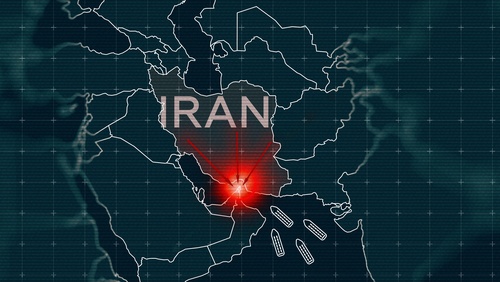
On Wednesday, July 15, the price of European natural gas climbed to approximately €54 per MWh. The surge was triggered by another U.S. strike on Iran, carried out on the same day. The market reacted more strongly than at any point since March this year. Will the latest U.S. airstrikes once again lead to prolonged disruptions to LNG shipments through the Strait of Hormuz?
New U.S. strike on Iran increases risk
The United States launched another series of strikes against Iranian military facilities. According to the U.S. Central Command, the operation was intended to reduce Tehran’s ability to attack commercial vessels transiting the Strait of Hormuz.
Among the targets were facilities on Greater Tunb Island, including coastal defence systems and missile infrastructure. Iran responded by launching attacks against U.S. military targets in the region.
For energy markets, these developments have revived concerns over the shipping route linking the Persian Gulf with the Indian Ocean. Transit capacity could be significantly reduced and, in the worst-case scenario, the trade route could become completely inaccessible.
Europe faces another battle for LNG supplies
Before the escalation of the U.S.–Iran conflict, nearly one-fifth of the world’s LNG shipments passed through the Strait of Hormuz. Any disruption to maritime traffic therefore affects both Asian and European buyers.
Following its reduction of Russian gas imports, Europe has become far more dependent on seaborne LNG deliveries.
Supply disruptions increase competition for available cargoes and could make it more difficult for European countries to replenish gas storage facilities ahead of the winter heating season. At present, the market is pricing in not only the risk of actual supply shortages but also the possibility of further military escalation.
Trump threatens strikes on infrastructure
Donald Trump stated that if negotiations ultimately fail, the United States will expand the scope of its military operations in the region. Among the potential targets, he mentioned Iranian power plants and bridges. At the same time, he maintained that talks with Tehran are still ongoing.
Such statements have added further uncertainty to the market. Any attacks on energy infrastructure could prolong the conflict and further restrict energy exports from the Middle East.
Higher gas prices could push up energy costs
The rise in TTF gas futures does not translate into immediate increases in consumers’ energy bills. However, if prices remain above €50 per MWh, it would create significant challenges for European industry, the power sector and district heating providers.
The key factor to watch now is the situation in the Strait of Hormuz. If tanker traffic is not stabilised, Europe could enter the winter heating season facing higher natural gas prices and increased upward pressure on electricity prices..
Leave a Reply