End to wasting wind energy. Ireland’s big plan for 2 GW of batteries by 2030
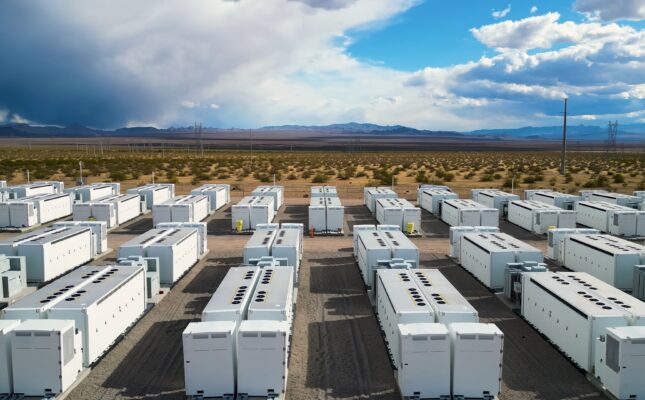
The market for large‑scale energy storage in Ireland is accelerating rapidly. According to the latest report by consulting firm AFRY, expanding the country’s battery network by an additional 2 GW will bring consumers as much as 102 million euros in annual savings. The experience from the Emerald Isle—a island market struggling with a huge amount of uncoordinated wind energy—provides a valuable signpost for the energy transition in Poland.
Over 800 MW already in operation, more gigawatts in the pipeline
At the June conference of the Energy Storage Ireland organization, the current balance of investments was summarized. Since 2018, more than 800 MW of large‑scale energy storage has already been commissioned in Ireland. The real breakthrough, however, is still ahead.
The current portfolio of projects that already have a full set of planning permits and secured grid connection conditions amounts to an impressive 2.3 GW.
Eksperci z firmy AFRY w raporcie „Money Saver: How Storage Lowers Energy Costs” wyliczyli, że osiągnięcie poziomu 2 GW nowych mocy bateryjnych do początku lat 30. XXI wieku przyniesie fundamentalne korzyści:
Experts from AFRY, in their report “Money Saver: How Storage Lowers Energy Costs”, calculated that reaching the level of 2 GW of new battery capacity by the early 2030s will bring fundamental benefits:
- 102 million euros (approx. 116.6 million USD) in annual savings on energy costs for consumers in Ireland and Northern Ireland.
- 10% reduction in greenhouse gas emissions in the power system.
- 11% less wasted energy from wind and solar farms (limiting forced curtailments of renewables by the system operator).
Full access to the market and a political impulse
Irish storage facilities gained full access to the country’s wholesale energy market relatively recently — in November 2025. Since then, however, they have already broken records, delivering nearly 500 MW of output power at times of peak demand.
Ireland’s Minister for Climate, Energy and Environment, Darragh O’Brien, who was present at the conference, declared the government’s full support for the long‑term battery development strategy. He emphasized that the new tariffs regulated by the EU authority CRU are intended to further encourage investors to participate in the market and to continue lowering costs for end consumers.
AFRY analysts note, however, that the key to success will be optimizing battery operating time — their model assumes the deployment of systems with long autonomy (from 6 to 8 hours and more), which best ensure the stability of the transmission grid.
Leave a Reply