Asia saved billions thanks to renewable energy. China is in a league of its own
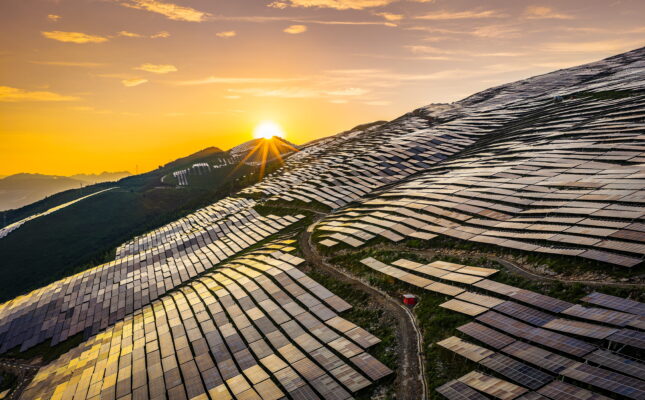
Renewable energy sources are no longer just tools for reducing emissions. In 2025, they helped Asian countries save hundreds of billions of dollars on fossil‑fuel imports while simultaneously strengthening the region’s energy security. According to the latest report from the International Renewable Energy Agency (IRENA), countries in the region achieved the largest savings worldwide in 2025 thanks to reduced fossil‑fuel imports.
The report’s findings show that investments in renewable energy increasingly translate into tangible economic benefits, not only the achievement of climate goals.
China emerged as the biggest beneficiary, avoiding fossil‑fuel expenditures worth as much as 177 billion dollars thanks to the growing share of renewable energy. India followed with savings of 18 billion dollars, and Japan saved 15 billion dollars. Meanwhile, Indonesia, Thailand and the Philippines jointly reduced spending on coal and gas imports by around 5.7 billion dollars.
Across the 20 largest economies — responsible for most global renewable‑energy production — renewables helped avoid fossil‑fuel purchases worth 377 billion dollars. Worldwide, savings reached approximately 480 billion dollars. Combined savings for China, India, Japan and the Southeast Asian countries listed in the report exceeded 215 billion dollars. This means the region accounted for nearly half of the global financial benefits resulting from reduced fossil‑fuel use thanks to renewable energy.
Renewables increasingly cheaper than fossil fuels
According to IRENA Director‑General Francesco La Camera, falling renewable‑energy technology costs now deliver not only environmental benefits but also clear economic gains.
The report shows that solar and wind energy remain the most competitive sources of new electricity generation. In 2025, the average cost of electricity from photovoltaic farms was 44 dollars per megawatt‑hour (MWh), onshore wind farms averaged 33 dollars/MWh, and offshore wind reached 78 dollars/MWh.
For comparison, electricity from new gas‑fired power plants in some markets approached 100 dollars/MWh. Additionally, turbine‑availability issues caused construction costs for gas units in the United States to double.
Investments slow down, but the trend remains positive
IRENA also notes that the clean‑technology sector faces investment challenges. Quarterly investment in renewable‑component manufacturing fell from a record 70 billion dollars in 2023 to around 35 billion dollars by late 2025. At the same time, prices of raw materials and components used in production increased.
As Murat Kurum, COP31 president‑elect, emphasized, investing in clean energy provides effective protection against volatility in global fuel markets.
Renewable energy strengthens energy security
According to IRENA, more than 90 percent of new renewable installations commissioned in 2025 produced electricity cheaper than the lowest‑cost fossil‑fuel alternatives. The agency also notes that renewable‑energy development increased the resilience of many countries to commodity‑price fluctuations — a trend particularly visible during transport disruptions in the Strait of Hormuz in early 2026.
IRENA’s forecasts indicate that renewable‑energy costs will continue to fall through 2035. However, the pace of reductions will be slower than in the past decade, when technological progress and manufacturing scale significantly accelerated cost declines.
Leave a Reply