We know the results of the climate crisis caused by the war in Iran! Scientists from Wuhan have studied a toxic cloud the size of Italy.
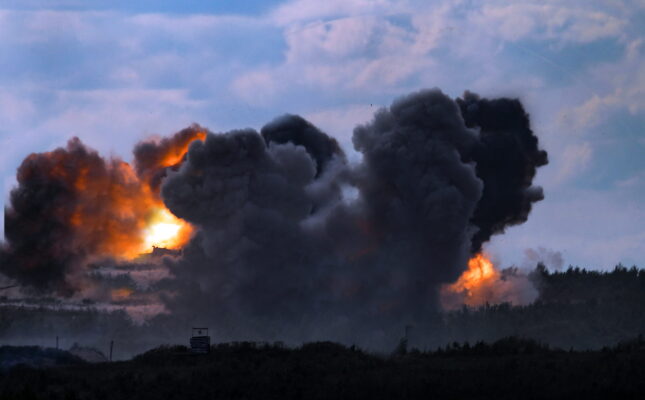
After exactly three months since the US and Israel attack on Iran, it is now known what the toxic cloud—reportedly the size of Italy—that hovered over Tehran actually was. Scientists from Wuhan published research showing the true scale of this environmental disaster.
Nearly 30,000 tons of sulfur dioxide entered the atmosphere
Satellite remote sensing data made it possible to determine the consequences of fires at Iranian oil refineries and fuel depots. Within just two days, around 29,000 tons of sulfur dioxide were released into the atmosphere, according to Advances in Atmospheric Sciences.
The journal also reports that the toxic cloud covered an area of nearly 300,000 square kilometers. To make matters worse, Iranians experienced so-called “black rain,” which caused burns. The measurements were made possible thanks to Chinese FengYun-3 satellites and the European Sentinel-5P instrument.
The speed at which toxic fumes move can reach up to 70 km per hour. That is why precise monitoring of such phenomena from space is crucial for early warning systems.
What are the effects of “black rain”?
The mentioned “black rain” formed after fires that consumed between 2.5 and 5.9 million barrels of oil. The precipitation contained water and oxidized crude oil. The toxin, upon contact with the body, caused severe burns, and inhalation led to lung damage.
Iranian authorities ordered residents to stay indoors and dispose of any clothing that had come into contact with it. The main culprit was sulfur dioxide, a substance often familiar from school chemistry, as it is responsible for so-called acid rain.
Ecological costs are also war costs
There are many online articles summarizing the US–Israel vs. Iran conflict mainly in terms of military equipment and ammunition used. Sometimes there are also attempts to estimate physical destruction such as demolished buildings. However, in such global events, one very important cost is often overlooked—environmental damage.
In the first two weeks of hostilities, emissions equivalent to 5 million tons of CO₂ were generated. That is as much as 84 of the most polluting countries produce in a year. There are not yet estimates for the full three months of the conflict, but based on early data, the scale is staggering.
War is primarily a human tragedy—death, hunger, permanent disability, loss of loved ones. Most would agree with this statement, but it is also worth adding that ecological catastrophes resulting from armed conflict will continue to negatively affect everyday life for many years even after peace is achieved.
Leave a Reply