Transformation is no longer just a response to requirements. For companies, it is becoming a way to build a stable business.
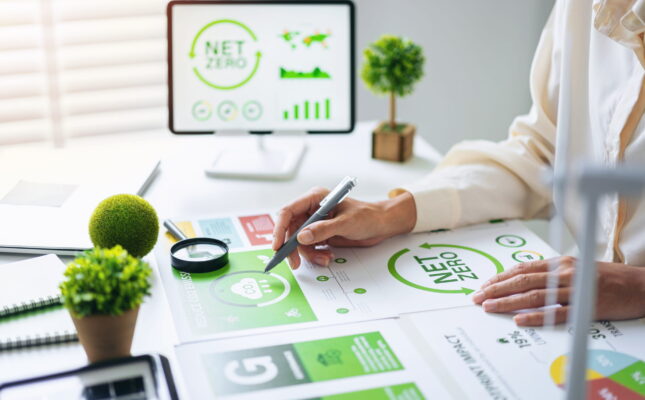
Rising energy prices, an uncertain geopolitical situation and increasingly demanding business conditions mean that companies view investments in energy very differently than just a few years ago. More and more often, such investments are no longer seen merely as pro‑environmental actions, but as a way to build financial and operational security.
According to the EFL report “Energy Under Control. How Companies Manage the Green Transition”, Polish businesses are increasingly choosing solutions that help them become independent from energy‑price volatility and gain greater control over operating costs.
Own energy provides greater predictability
Not long ago, electricity was one of the easiest costs for most companies to estimate. Today, the situation looks completely different. Dynamic changes in commodity markets, international tensions and new regulations mean that companies are increasingly looking for ways to strengthen their energy independence.
According to the report’s authors, the energy transition is no longer solely a response to environmental or regulatory requirements. For many companies, it is becoming a tool for reducing risk and increasing resilience to unpredictable economic events.
The scale of investments shows that this trend is accelerating. Last year, global spending on improving energy efficiency reached nearly USD 800 billion.
Solar power still leads — but the way it is used is changing
Solar energy remains one of the most popular solutions among businesses. The total capacity of photovoltaic installations in Poland has already exceeded 26 GW, with companies accounting for an increasingly large share of new projects.
However, the approach to using self‑generated energy is changing. Companies are less focused on selling surplus electricity to the grid and instead prioritize self‑consumption, meaning they use the energy produced directly for their own operations. They also place greater emphasis on selecting the right installation size and combining photovoltaics with other energy‑management solutions.
Energy storage and electromobility are gaining importance
EFL experts note that the green transition does not end with installing solar panels. Companies are increasingly investing in energy‑storage systems, which allow them to store electricity produced during low‑price periods and use it when demand is highest or when supply issues arise.
At the same time, interest in electrifying vehicle fleets is growing. According to data cited in the report, 17.4% of new cars registered in the European Union are electric vehicles. For companies, this means more stable transport costs and reduced dependence on volatile fuel prices.
Digital energy management is becoming standard
Modern energy transformation increasingly relies not only on new energy sources but also on intelligent management of consumption. Companies are implementing systems that monitor electricity and water use, and they are adopting automation and AI‑based solutions that help reduce losses and optimize costs.
Changes also affect everyday office operations. More companies are developing electronic document workflows, reducing paper use and relying on digital communication tools, which lowers the number of business trips and related expenses.
The power grid remains the biggest challenge
Although interest in green‑energy investments continues to grow, companies still face significant barriers. One of the most important is the limited capacity of Poland’s power grid, which makes it difficult to connect new renewable‑energy installations.
According to estimates from Polskie Sieci Elektroenergetyczne, developing the necessary infrastructure by 2034 will require more than PLN 64 billion in investment.
Another challenge is the high cost of investments. The energy transition involves not only purchasing new equipment but also implementing energy‑management systems, digitalizing processes and developing employee competencies.
The green transition becomes part of business strategy
The conclusions of the EFL report show that investments in renewable energy, energy storage and digital management systems are no longer the domain of only the largest companies. Increasingly, they are becoming part of long‑term business strategies aimed at preparing companies for changing economic conditions.
For many businesses, the green transition today means not only achieving environmental goals but above all gaining greater control over costs, improving energy security and building competitive advantage in an increasingly demanding market environment.
Leave a Reply