Oman and Europe Create the World’s First Commercial Liquid Hydrogen Import Corridor
During the historic visit of the Sultan of Oman, His Majesty Haitham bin Tariq, to the Kingdom of the Netherlands, a groundbreaking Joint Development Agreement was signed, establishing the world’s first commercial liquid hydrogen supply corridor connecting the Middle East to Europe.
This marks a major milestone for both the global energy transition and Oman’s emergence as a future global leader in green hydrogen exports.
A Strategic Intercontinental Connection
The new hydrogen corridor will connect the Port of Duqm in Oman with the Port of Amsterdam and key logistics hubs in Germany, including the Port of Duisburg. It will enable the export of liquid hydrogen that meets the EU’s definition of “renewable fuel of non-biological origin.”
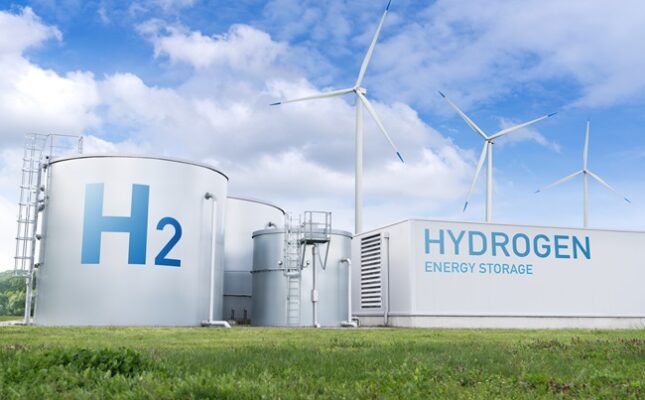
At the heart of the project is the construction of the world’s largest terminal for the liquefaction, storage, and export of hydrogen in Duqm. The complex will be powered by green hydrogen produced locally from renewable energy sources and will be developed by:
- Hydrom – Oman’s national green hydrogen sector operator,
- OQ – the energy group responsible for liquefaction infrastructure,
- ECOLOG – provider of innovative ships for volume-loss-free hydrogen transport.
European End of the Value Chain
On the European side, the hydrogen supply chain includes the development of regasification terminals at the Port of Amsterdam. From there, hydrogen will be distributed to industrial customers in the Netherlands and Germany via an extensive network of pipelines, rail transport, and canals. Companies such as Tata Steel Nederland, Hamburger Hafen und Logistik AG, Hynetwork, and EnBW are involved in the European segment of the project, ensuring full coverage of the entire supply chain—from production to end-user.
Cross-Border Collaboration
The agreement was signed by eleven parties from both the public and private sectors in Oman and Europe. The joint initiative aims not only to build the technical infrastructure but also to regulate pricing, supply, and logistics.
Sophie Hermans, Minister for Climate and Green Growth of the Netherlands, described the agreement as “a milestone in our joint path towards clean energy.” Oman’s Minister of Energy, Salim Nasser Al Aufi, emphasized that the project not only strengthens international ties but also lays the foundation for a “future-ready” hydrogen sector in Oman—one that creates jobs, transfers knowledge, and adds value to the economy.
Global Significance and Outlook for 2029
The hydrogen corridor is scheduled to be completed by 2029. The project also supports the climate goals outlined during COP28 in Dubai and aligns with earlier agreements with the Port of Amsterdam, GasLog, and Zenith Energy Terminals.
Source: hydrogeninsight.com
Leave a Reply