Flexibility is starting to pay off. Axpo is developing a new model for gas-fired combined heat and power plants.
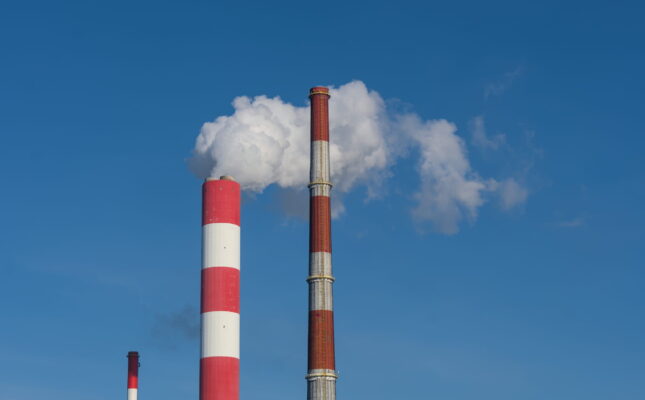
The growing volatility of the energy market means that electricity generation alone is no longer a sufficient source of revenue for gas‑fired combined heat and power (CHP) plants. System services and the ability to optimize unit operation depending on market conditions are becoming increasingly important. Axpo Poland is moving in this direction, launching the qualification process for the Nowa Sarzyna CHP plant to provide balancing services for the national power system.
This marks another stage in unlocking the potential of an asset the company previously acquired and first integrated into its own model for optimizing electricity‑generation revenues. Now, the solutions developed for Nowa Sarzyna are set to be offered to other owners of gas‑fired CHP plants.
Flexibility becomes a new source of revenue
The expansion of renewable energy sources is increasing price volatility on the wholesale electricity market. In such conditions, the value of power plants and CHP units no longer depends solely on the amount of electricity produced, but also on their ability to respond quickly to the needs of the transmission system operator.
A key element of this strategy is the provision of balancing services, which help maintain equilibrium between electricity production and consumption in the national power system. For unit owners, this means an opportunity to generate additional revenue while maintaining their core generation function.
Clean Spark Spread Drives Commercial Decisions
At the heart of Axpo’s model is the optimization of the Clean Spark Spread (CSS) — the margin between the electricity sale price and the cost of generating it, including natural gas and CO₂ emission allowances.
CSS analysis helps determine:
- when increasing electricity production is profitable,
- when reducing output is more advantageous,
- when using unit flexibility for balancing services yields the highest value.
This requires simultaneous insight into the forward market, spot market, and balancing market. As Kacper Rzeńca, Balancing Manager at Axpo Poland, notes, many operators understand their units technically, but commercial optimization requires specialized market expertise.
A Comprehensive Offer for Gas‑Fired CHP Plants
Axpo plans to apply its experience from Nowa Sarzyna to other CHP projects across Poland. The offer includes:
- Clean Spark Spread optimization to maximize energy‑production revenue,
- support in contracting gas, electricity and CO₂ allowances,
- preparing units for balancing‑service qualification and certification,
- integration with PSE systems for real‑time operational coordination,
- balancing‑capacity bidding strategies and operational execution on behalf of asset owners.
An important part of the project is ensuring that the unit’s operation remains consistent with its technical limitations and obligations related to heat supply for customers.
The balancing market becomes increasingly important for district heating
Experts point out that as the share of renewable energy grows, the importance of flexible gas‑fired units will steadily increase. CHP plants can serve not only as producers of electricity and heat but also as active contributors to the stability of the national power system.
In practice, this means that properly prepared units can generate revenue from several market segments simultaneously — electricity sales, system services, and optimal management of their availability. For many asset owners, this may become one of the key elements improving investment profitability in the coming years.
Leave a Reply