A revolution in the Polish district heating sector. The government has unveiled a plan running until 2040, worth up to PLN 231 billion.
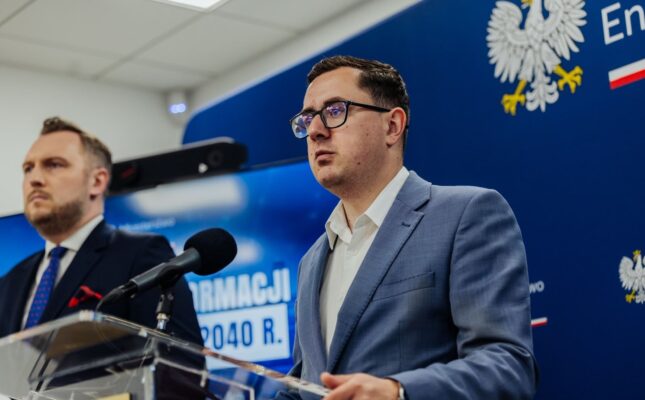
Poland’s district‑heating sector is heading toward its biggest transformation in decades. The government has presented the Heating Sector Transformation Strategy 2040, a long‑term plan designed to secure reliable heat supplies, reduce dependence on fossil fuels and unlock investments worth up to PLN 231 billion. The changes will affect a system serving around 15 million people.
This is the first document that comprehensively defines the development path for Poland’s district‑heating sector. According to the Ministry of Energy, the strategy responds to rising heat‑production costs, the need to modernize aging infrastructure and the challenges of the energy transition.
A Complete Overhaul of Poland’s Heating System
District‑heating networks remain the primary source of heating in most Polish cities. Nearly 400 heating companies operate nationwide, and the network spans more than 23,000 kilometers.
The government plans that over the next decade the sector will shift away from fossil‑fuel dominance toward a more diversified energy mix. Renewables, heat pumps, geothermal energy, biomass, thermal storage and industrial waste heat — including heat from data centers — are expected to play a growing role.
Seven Pillars of the Transformation
The strategy is built around seven key development pillars:
- stable heat prices
- greater supply security
- development of low‑ and zero‑emission heat sources
- integration with the power system
- expansion of thermal‑energy storage
- broader use of waste heat
- predictable rules for investors and municipalities
The document also outlines dozens of specific actions, including regulatory changes, investment‑support mechanisms, technology development and digitalization of heating networks.
Heat Pumps, Energy Storage and Smart Networks
A key element of the strategy is the development of Power‑to‑Heat technologies, especially heat pumps and electric boilers. These solutions will help absorb surplus electricity generated by renewable sources.
At the same time, Poland plans to expand thermal‑energy storage, enabling heat to be stored during periods of low demand and used during peak winter conditions.
The Ministry also intends to digitalize heating networks and deploy smart management systems to reduce energy losses, improve efficiency and strengthen protection against cyberthreats.
Benefits for Households and Businesses
According to the strategy’s authors, the modernization will bring benefits to both consumers and the wider economy. Key expected outcomes include:
- more stable heat prices,
- lower risk of supply interruptions,
- modernized infrastructure,
- better use of local energy sources,
- new opportunities for companies developing energy technologies.
The long‑term plan is also expected to make it easier for heating companies and municipalities to secure financing.
Ambitious Targets for 2040
By 2040, the strategy aims to achieve:
- 52.2% share of renewable energy in district heating,
- 100% of system heat coming from low‑ or zero‑emission sources,
- up to 5.5 GW of Power‑to‑Heat capacity,
- 576 GWh of thermal‑storage capacity,
- 10 PJ of recovered waste heat,
- around 60 PJ reduction in heat production thanks to improved efficiency.
Meeting these targets will require investments estimated at PLN 197–231 billion.
Public Consultations Underway
The Heating Sector Transformation Strategy 2040 has been submitted for public consultation, which will run until 15 July. Residents, businesses and local governments can submit their comments.
After the consultation period, the document will be reviewed by the Council of Ministers and is expected to become the foundation for modernizing one of Poland’s most important energy‑infrastructure sectors.
Leave a Reply