How can energy storage reduce costs in a manufacturing plant?
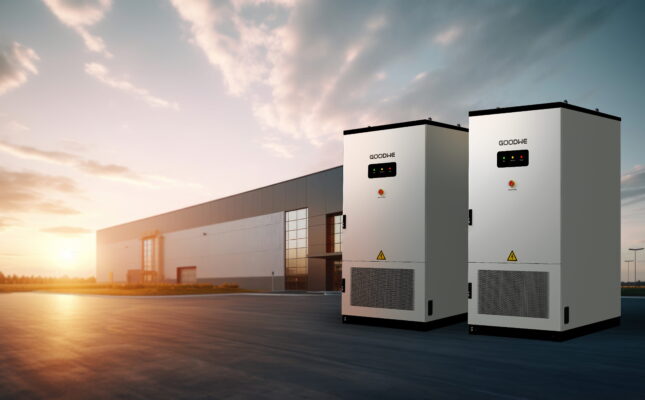
The article is partnered with Avrii
In the face of rising energy prices and operating costs, more and more companies are looking for ways to improve energy efficiency. Avrii, using its proprietary Technical and Economic Analysis (ATE), conducted an audit of a plant specializing in precision CNC machining.
The analyzed company operates a fleet of more than 80 modern machines and consumes around 3142 MWh of electricity annually. This scale of operations creates significant potential for optimizing energy costs.
Reduction of the capacity fee
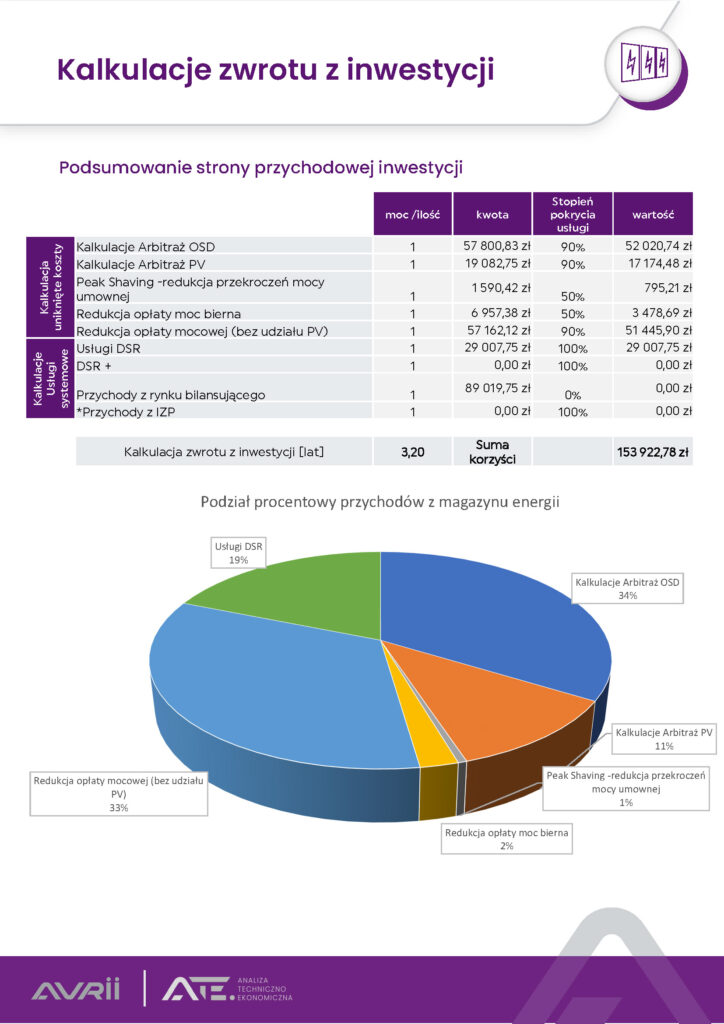
One of the main areas of analysis was the capacity fee. In the current consumption profile, this cost amounted to more than PLN 195,000 per year.
The use of an energy storage system with 250 kW of power and 522 kWh of capacity made it possible to reduce power demand during the hours considered for calculating the capacity fee. According to the analysis results, the company can reduce this cost by 29.3%, which translates into more than PLN 51,000 in annual savings.
Additional revenue from the DSR program
The analysis also identified the possibility of participating in the DSR (Demand Side Response) program, which involves maintaining readiness for temporary power demand reduction upon the operator’s request.
Thanks to the energy storage system, the company could declare readiness for a reduction of 200 kW without affecting the production process. During activation periods, the required energy would be supplied by the company’s own storage system. The estimated remuneration for participation and maintaining readiness is approximately PLN 29,000 per year.
Stabilization of the energy consumption profile
Before implementing the storage system, the plant’s energy profile was characterized by high spikes in power demand, increasing the risk of exceeding contracted power and generating additional costs.
After implementation, the energy storage system operates in Peak Shaving mode, automatically covering momentary peaks with energy stored in the batteries. This allows for stabilizing the consumption profile and more efficient use of connection capacity. The storage system’s share in total energy flow is only 4.73%, yet this is sufficient to achieve significant economic benefits.
Even greater benefits with a PV installation
The analyzed plant does not currently have a photovoltaic installation. However, the analysis showed that building a 700 kWp PV system combined with energy storage would significantly increase the profitability of the investment.
The storage system would enable efficient use of surplus energy generated by the PV installation, creating additional savings of around PLN 17,000 per year. According to the analysis, this would allow the plant to achieve an energy self-consumption rate exceeding 70%.
The total value of annual financial benefits identified in the analysis exceeds PLN 153,000.
Why GoodWe ESA?
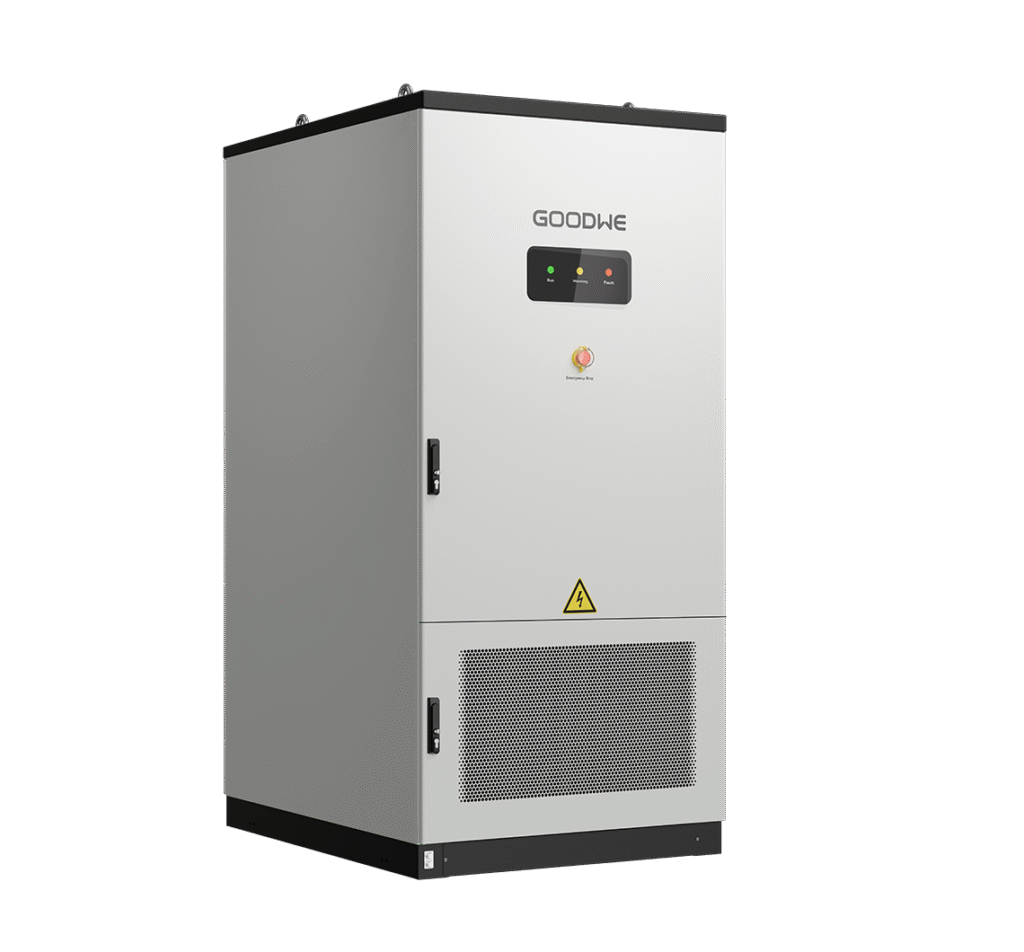
In the recommended variant, the GoodWe ESA energy storage system (125 kW / 261 kWh) was included. The choice was determined by key features essential for industrial applications:
- All‑in‑one design: The system integrates the inverter, batteries, and the Energy Management System (EMS) into one compact cabinet.
- Safety: The use of stable LFP cells and advanced six‑layer fire protection ensures the highest safety standards in a production facility.
- Intelligent cooling: The system uses liquid cooling controlled by AI at the battery‑module level, optimizing cell temperature and extending system lifespan.
- Scalability: The solution allows parallel connection of up to 20 units, enabling system expansion as the company grows.
GoodWe is among the world’s largest manufacturers of inverters and energy storage systems, supplying its solutions to more than 100 countries.
Energy storage systems are particularly effective in companies that:
- operate in a shift-based mode or have high energy consumption during specific hours,
- have or plan to install a photovoltaic system,
- incur high capacity‑fee costs,
- want to reduce the risk of exceeding contracted power limits.
To determine whether the investment will be profitable in a specific case, it is worth starting with a professional Technical and Economic Analysis (ATE), which makes it possible to precisely identify potential savings and select the optimal solution for a given facility.