A New U.S. Coalition Backs Sodium Batteries, Seeking Independence from Lithium and Chinese Technology
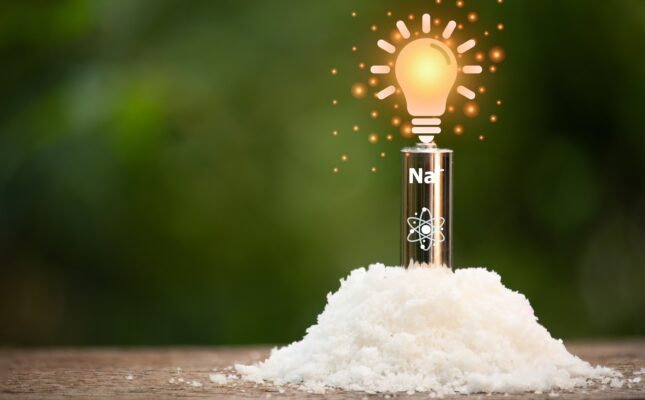
American Industry Joins Forces to Accelerate Sodium-Ion Battery Commercialization
The American battery industry is joining forces to accelerate the commercialization of sodium-ion batteries. The newly established American Battery Leadership Coalition (ABLC) brings together manufacturers and component suppliers who will jointly advocate for federal support for a technology that offers a safer, cheaper, and more supply-chain-stable alternative to dominant lithium-based batteries.
Who Is Part of the Coalition?
The coalition includes leading U.S. companies from across the sodium-ion technology supply chain, including cell developers, separator manufacturers, and suppliers of anode materials. Graeme Grant (Chief Operating Officer of Alsym Energy) has been appointed Chairman of the organization, while Edward McGlone (Vice President at Peak Energy) will serve as Vice Chairman.
ABLC’s primary objective is to ensure that sodium-ion technology becomes part of national industrial and energy strategies while building a strong domestic supply chain independent of foreign markets.
Sodium vs. Lithium – Costs, Raw Materials, and Safety
Sodium-ion batteries differ from widely used lithium-ion batteries in several key areas:
- Raw material availability and cost – These batteries use abundant and inexpensive sodium instead of scarce lithium. Their production also eliminates the need for costly metals such as cobalt and nickel. As a result, large-scale manufacturing of sodium-ion cells can be significantly cheaper than lithium-based NMC (nickel-manganese-cobalt) batteries.
- Operational safety – Sodium-ion solutions offer a higher level of safety. They do not carry the same risk of thermal runaway, which in lithium batteries with liquid electrolytes can lead to fires that are difficult to extinguish.
For the United States, the development of this technology has major geopolitical significance. The current battery market remains heavily dependent on lithium-ion technologies and concentrated foreign supply chains, particularly those linked to China. Building future energy infrastructure around domestically available sodium resources is expected to strengthen U.S. energy security and independence.
A Response to the Growing Energy Demand of AI Data Centers
The rapid deployment of alternative energy storage technologies is being driven by soaring electricity demand fueled by the expansion of artificial intelligence.
According to estimates from the International Energy Agency (IEA), U.S. data centers consumed 183 TWh of electricity in 2024, and demand is projected to increase by 133% by 2030.
Large-scale sodium-ion energy storage systems are expected to help grid operators balance electricity networks increasingly burdened by the around-the-clock operation of digital infrastructure. Market interest in the technology is already substantial: developers, data center operators, and utilities have announced plans to purchase sodium-ion systems with a combined storage capacity exceeding 15 GWh.
Leave a Reply