A giant solar farm in the United States has been cancelled. This may be a new blow to renewable energy sources.
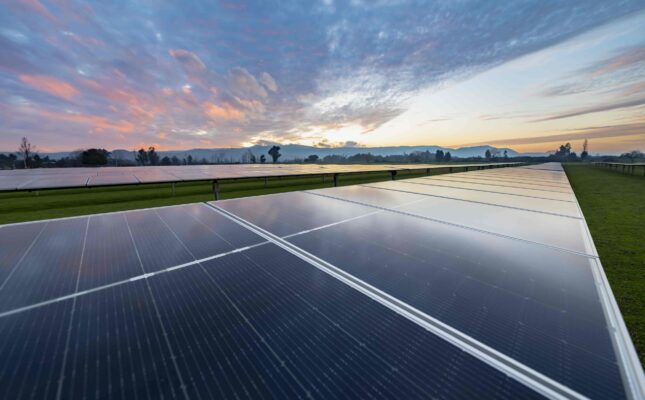
The planned Esmeralda 7 investment, which was set to become the largest photovoltaic farm in the history of the United States, has been unexpectedly cancelled at the final stage of the administrative process. The decision raises serious concerns within the renewable energy sector and may signal a new direction in Donald Trump’s administration’s policy toward projects located on federal land.
A project of unprecedented scale
Esmeralda 7 was to be built on desert land in Nevada and cover approximately 62,000 acres. The investment included the construction of photovoltaic installations with a total capacity of 6.2 GW and energy storage systems with a capacity of 5.2 GW. No other solar project in the United States has ever reached similar parameters.
The concept behind the project was to combine seven adjacent developments into a single permitting process. This was intended to shorten administrative procedures and reduce the costs associated with environmental impact assessments.
Federal permits proved to be an obstacle
Because the investment was to be built on land managed by the Bureau of Land Management, obtaining final approval from federal authorities was necessary.
Although a draft environmental report was prepared in 2024 and public consultations were completed, the final decision was never issued. Last week, the project’s status on the BLM website was changed to “cancelled.”
It is unclear whether the decision was made by federal institutions or whether the investors themselves withdrew the project after discussions with the administration.
Industry raises the alarm
Representatives of the renewable energy sector warn that the cancellation of the project may create a dangerous precedent for future investments on federal land.
According to organizations representing the solar industry, the administration is hindering the development of infrastructure that could strengthen the country’s energy security and limit the rise in electricity prices.
Experts point out that splitting the joint project into seven separate proceedings means that costly environmental analyses must be carried out again, which could delay the investment by many years.
Public lands may be closed off to renewables
Although only a small portion of American wind and solar farms are currently located on federal land, western states have vast areas ideally suited for renewable energy production.
Specialists fear that Esmeralda 7 may be the first of many large projects that will not receive approval during the current administration.
Growing energy demand
The decision comes at a time when the United States is experiencing record growth in electricity demand. The expansion of data centers, artificial intelligence, and industry requires the construction of new generation sources.
According to many analysts, limiting investment in solar and wind energy may make it more difficult to meet future demand, especially since the development of nuclear, hydro, and coal power remains constrained.
Possible consequences
The cancellation of Esmeralda 7 may trigger a domino effect among investors planning projects on federal land. Uncertainty surrounding the permitting process increases financial risk and may prompt some companies to abandon multibillion‑dollar investments.
For the U.S. renewable energy market, this is a signal that even advanced projects that have undergone years of environmental analysis are not guaranteed final approval for implementation.
Leave a Reply