Global decline in BESS prices. Why will Chinese cells cost half as much as American ones?
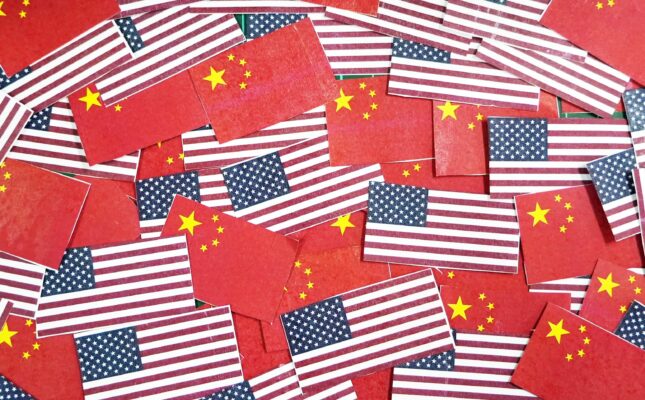
Global BESS prices continue to fall, but the pace of these declines depends on local market conditions and tariff barriers. According to a report by Intertek CEA, DC block prices in the US will fall by 15% to 30% by 2030. In comparison, prices in import-dependent markets will decline by more than 40%. The difference is mainly driven by Chinese manufacturers shifting to larger-format cells. The US market is falling behind due to trade barriers, delays in factory construction, and strict tax requirements.
Chinese dominance and the race to avoid taxes
Global shipments of lithium-ion batteries reached 230 GWh in the second quarter of 2026, representing an 18% increase quarter on quarter. The main driver of shipments was stockpiling. Investors rushed to import cells ahead of January 1, 2027, when China’s VAT tax relief for battery products will expire. CATL maintained its leading position with a market share exceeding 25%. All ten of the largest suppliers are based in China and collectively control more than 65% of the global market.
Meanwhile, the US is tightening import regulations and introducing tariffs targeting oversupply and forced labor risks. Projects using Chinese components are losing eligibility for tax credits under Section 45X. This, in turn, creates considerable uncertainty surrounding their financing.
South Korean companies come to the rescue of the US supply chain
The development of a domestic battery industry in the US is facing significant delays. Around 11% of production capacity planned for 2026 will be pushed back to 2027 due to technological and financial challenges.
South Korean companies are stepping in to fill the gaps. LG Energy Solution is adding 33 GWh of capacity across three factories, while Samsung SDI is launching an LFP production line in Indiana. In addition, South Korean cathode manufacturers (L&F, Posco, EcoPro) have announced 23 GWh of LFP capacity for 2026.
Cathodes from South Korea could meet nearly 40% of US demand while satisfying tax credit requirements. As a result, the US market is splitting into two pricing segments. Energy storage systems that meet tax eligibility requirements will be significantly more expensive than installations relying on low-cost imports.
Raw materials, alternatives and artificial intelligence
A 15% quarter-on-quarter decline in lithium prices (to around USD 20/kg) has helped ease cost pressures. However, the removal of Chinese tax incentives from 2027 will slow this downward trend.
Alternative technologies, such as sodium-ion batteries (including Hithium’s containerized solutions), are attracting considerable interest. Despite the low cost of sodium carbonate, precursor processing still operates on a small scale. For this reason, sodium-ion cells are unlikely to be a game changer in the coming years.
Meanwhile, a new major consumer of batteries is growing rapidly: AI data centers. US imports of lithium-ion batteries for backup power systems in AI server facilities surged by 131% year on year in the first half of 2026. The IT sector is rapidly replacing outdated lead-acid equipment with modern BESS solutions.
Leave a Reply