Sodium-ion batteries and V2G as the backbone of an affordable energy transition. New research from LUT University
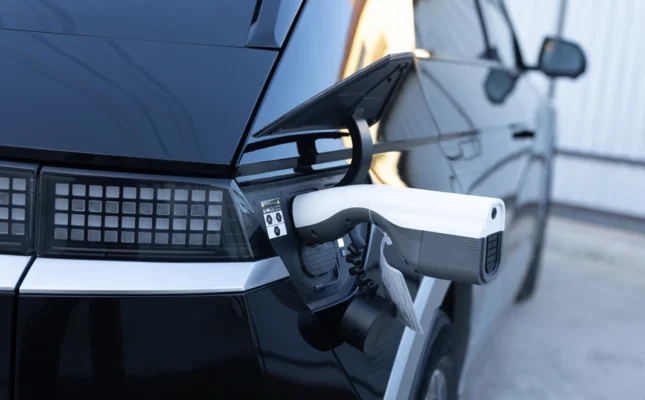
Batteries are no longer considered a bottleneck in the energy transition. The latest analyses from Finland’s LUT University indicate that technological advances, the development of sodium-ion batteries, and the use of electric vehicles in a V2G model are effectively eliminating concerns about raw material shortages and excessively high energy storage costs.
The end of raw material constraints. SIB batteries reach price parity
Previous concerns about insufficient lithium supplies are no longer a barrier to large-scale energy storage. Sodium-ion batteries are emerging as an alternative that does not require lithium, replacing scarce graphite and copper with inexpensive hard carbon and widely available aluminum.
Key financial and technological findings from the LUT University report include:
- Price parity – the cost of SIB systems in 2025 was approximately EUR 120/kWh, nearly matching that of conventional lithium-ion batteries.
- Cost projections through 2050 – thanks to economies of scale, SIB system costs are expected to fall to EUR 28.5–51.9/kWh.
- Simplified manufacturing – sodium-ion batteries can be produced on existing production lines without the need for costly retooling of BESS manufacturing facilities.
According to the researchers, global demand for batteries (stationary, mobile, and industrial) will exceed 350 TWh by 2050.
Smart charging and V2G cut the need for BESS capacity in half
The growing fleet of electric vehicles is becoming a massive network of mobile energy storage units. Using smart charging during peak solar PV generation and implementing V2G technology can deliver significant savings across the entire power system.
Integrating electric vehicles into the grid can reduce the required capacity of large-scale stationary energy storage systems by as much as 50%, resulting in an approximately 4% reduction in the total annual operating costs of the energy system. The use of V2H systems also significantly reduces household electricity costs, particularly in homes equipped with rooftop solar PV installations and heat pumps.
Battery storage emerges as the most efficient flexibility solution
An analysis of more than 1,000 scientific studies shows that battery technologies outperform other grid-balancing solutions, such as pumped hydro storage, thermal energy storage, and e-hydrogen. Their key advantages include rapid response times, modularity, and high efficiency.
According to LUT University projections, solar PV will meet an average of 61% of global primary energy demand by mid-century. However, the continued expansion of solar power generation would not be possible without flexible and increasingly affordable battery storage systems, which are also replacing diesel generators on islands and in isolated off-grid systems.
Leave a Reply