Kozienice Power Plant Not Harming the Vistula After All? Enea Presents Research Findings
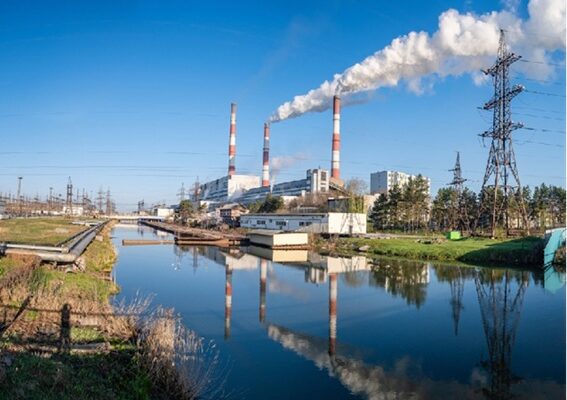
In recent weeks, public opinion has been stirred by the Kozienice Power Plant and its impact on the Vistula River ecosystem. Enea Wytwarzanie has addressed the issue, publishing the results of five years of research conducted in the Świerże Górne area. According to the company, assessing the impact of the cooling system on fish requires a broader analysis than simply counting fish larvae that enter the installation. Will the publication influence the proceedings conducted by the Regional Directorate for Environmental Protection (RDOŚ) in Warsaw?
Was the Impact on the River Improperly Assessed?
Enea argues that the impact of the Kozienice Power Plant on the Vistula should be evaluated comprehensively. The company bases its position on research carried out in the region over the past five years. The authors emphasize that the environmental impact of energy infrastructure cannot be judged solely by the number of fish larvae entering the cooling system.
Scientists point to the need to consider factors such as natural larval mortality, species composition, hydrological conditions, and changes in population size over subsequent years. They also stress that results from a single section of the river should not automatically lead to conclusions about the entire Vistula ecosystem.
Drought and Invasive Species Also Affect the Results
The research highlights additional overlapping factors shaping the condition of the Vistula. These include climate change, droughts, river regulation, reduction of floodplain areas, and the spread of invasive species.
Notably, more than three‑quarters of the larvae entering the cooling system belong to non‑native species that have been spreading in European rivers for years. According to the researchers, this aspect should also be considered when discussing whether the Kozienice Power Plant harms the Vistula.
The Dispute Continues — What Does RDOŚ Say?
Enea’s publication responds to earlier reports regarding the scale of fish larval mortality near the Kozienice Power Plant. Previous studies indicated that more than 100 million larvae and juvenile fish — including protected species — may enter the cooling system annually.
Based on the available materials, RDOŚ in Warsaw is conducting proceedings concerning the potential environmental impact of the power plant. The authority has asked the company to present measures that could reduce the installation’s impact on the Vistula.
Will the Kozienice Power Plant Reduce Its Impact on the River?
Enea emphasizes that monitoring data is used to plan actions aimed at reducing the impact of water intake on aquatic organisms. The company also notes that in recent years it has reduced water consumption by around 25% and is implementing projects related to the protection of fish and valuable natural habitats.
However, the dispute over the Kozienice Power Plant’s impact on the Vistula remains unresolved. Enea’s publication adds another voice to the debate. The final conclusions may be significant both for the future of energy investments and for the protection of one of Poland’s most important rivers.
If this topic caught your interest, read also about Enea’s investment in a 6.6 MW wind farm: Enea buys a 6.6 MW wind farm and energy storage system. Third step of the €83.3 million agreement.
Leave a Reply