The world’s first large‑scale engine powered exclusively by hydrogen has begun supplying electricity to the national grid
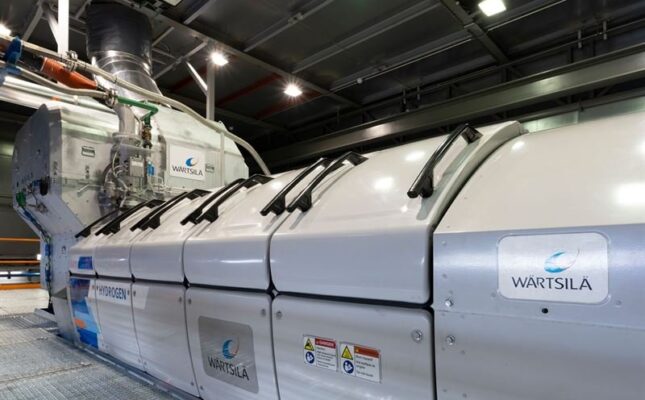
At Wärtsilä’s laboratory in Bermeo, Spain, a technology test is underway that may play an important role in stabilizing power systems based on renewable energy. The company has launched the world’s first large‑scale engine powered 100% by hydrogen, supplying electricity directly to Spain’s national grid.
This is the first instance of a large‑scale power engine running exclusively on clean hydrogen in real grid conditions. The demonstration goes beyond the concept of “hydrogen‑ready” technology and shows that hydrogen can already serve as a fully fledged fuel for flexible power sources supporting the energy transition.
Hydrogen as a response to RES intermittency
The growing share of wind and solar power presents new challenges for grid operators. During periods of low renewable generation, stable electricity supply must be maintained. According to forecasts, global renewable capacity will increase by nearly 4,600 GW by 2030, further boosting demand for flexible balancing resources.
In this context, green hydrogen is seen as one of the key elements of the future energy mix. It can store surplus energy produced by wind farms and solar installations, and later be used to generate electricity during periods of high demand or limited RES output.
Unlike fossil fuels, the use of green hydrogen does not produce CO₂ emissions, allowing energy security to be combined with decarbonization goals.
The world’s largest pure‑hydrogen engine
The Wärtsilä 31H2 engine tested in Bermeo is based on the Wärtsilä 31 platform, considered one of the most efficient four‑stroke multi‑fuel platforms in the world.
According to the manufacturer, it is currently the largest power‑generation engine operating exclusively on hydrogen. The ongoing tests aim to confirm its operational parameters and readiness for commercial deployment in the energy sector.
– This is a test of the future of renewable energy. As countries rapidly scale up wind and solar power, one of the biggest challenges remains ensuring reliable electricity supply in a sustainable way. Today, our Wärtsilä 31H2 engine is running 100% on hydrogen and supplying power to the Spanish grid, demonstrating that large‑scale hydrogen engines can provide the flexible and dispatchable capacity needed for future energy systems, says Rasmus Teir, Director of Technology Strategy and Decarbonisation at Wärtsilä.
He adds that the technology is ready for deployment, but widespread adoption will require appropriate regulations, investment, and expansion of hydrogen infrastructure.
Not just for energy: hydrogen can power AI data centers
The potential applications of the new technology extend beyond traditional power generation. Wärtsilä notes that units based on the 31 platform can also support rapidly growing energy‑intensive sectors such as AI data centers, industrial facilities, or autonomous off‑grid energy systems.
This is particularly important given the rapid increase in electricity demand driven by AI development and the digitalization of the economy. More and more data‑center operators are seeking zero‑emission and stable power sources that could replace traditional diesel generators.
Spain as a testing ground for the hydrogen economy
It is no coincidence that the demonstration is taking place in Spain. The country is one of Europe’s leaders in renewable‑energy development and is simultaneously investing heavily in green‑hydrogen projects.
Thanks to its high share of solar and wind power, Spain has significant potential for producing green hydrogen, which could become both a pillar of national energy security and a future export commodity for the European economy.
In June 2026, representatives of Wärtsilä’s customers from around the world observed the engine in operation. For the industry, it was an important signal that hydrogen technologies are entering a new stage of development — moving from laboratory demonstrations to real‑world applications in power systems.
Leave a Reply