Will the success of the PGE energy storage research project on Mount Żar drive further activities?
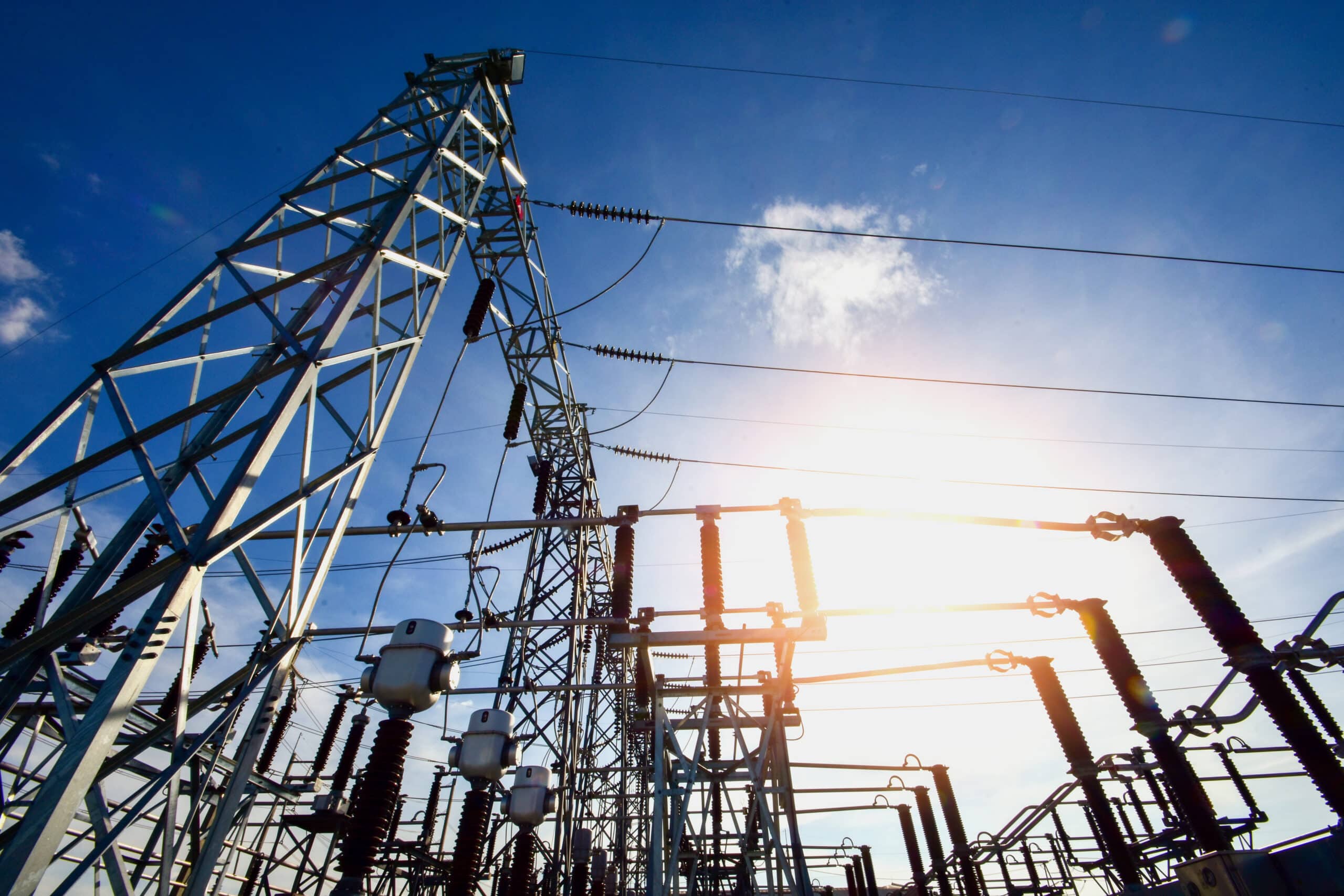
In early June, after a year and a half of research, the effects of the energy storage facility’s operation on Mount Żar, owned by PGE Energia Odnawialna, were unveiled. The test results have validated that this form of energy storage can effectively provide system services. Notably, it enhances the operational flexibility of the facilities it collaborates with and stabilizes the functioning of medium voltage distribution networks. This development underscores the positive impact of energy storage on the energy system and its potential for improving stability and reliability.
In 2021, PGE Energia Odnawialna established an energy storage facility with a 500 kW power capacity and a usable capacity of 750 kWh, located adjacent to their photovoltaic farm. This facility comprises two containers equipped with NMC (lithium-nickel-magnesium-cobalt) battery systems, AC/DC converters, and an LV/MV transformer station.
The primary objective of this project was to conduct research and simulations aimed at assessing the potential of energy storage. Throughout the project, various activities were undertaken, including testing the facility’s collaboration with the neighboring photovoltaic farm and analyzing the impact of the installation on the parameters of the distribution network. This research serves to explore the role of energy storage in enhancing the performance and stability of renewable energy systems.
More projects planned
As part of their strategy, the PGE Group aims to construct energy storage facilities with a combined capacity of at least 800 MW by 2030. The most significant project, with a capacity of 205 MW, is planned for Żarnowiec. Additionally, energy storage facilities will be integrated into various wind farms owned by the company.
The outcomes and lessons learned from these projects will assist the PGE Group in implementing innovative solutions like cable pooling. In the future, the initial test facility will serve as a platform to simulate the operation of other company assets, such as a pumped-storage power plant. This approach reflects the company’s commitment to embracing and optimizing energy storage technologies as part of their broader energy strategy.
What’s next?
The project conducted on Mount Żar serves as yet another testament to the significant benefits that energy storage can bring to our energy networks. Investing in energy storage, both for industrial applications and households, has become a necessity in light of the rapid expansion of renewable energy sources.
Managing the grid in the presence of intermittent renewable energy sources presents a considerable challenge for power infrastructure operators and policymakers. The conventional methods that rely on the flexibility of large-scale power generation do not adequately address the localized needs of medium and low voltage networks.
Energy storage not only helps address these challenges but also creates new opportunities for connecting renewable energy sources to the grid. With such solutions in place, concerns about grid destabilization and the subsequent shutdowns of photovoltaic and wind installations can be alleviated.
The successful outcomes of PGE’s research project underscore the effectiveness of energy storage solutions, providing the green light for larger-scale projects in the future. This paves the way for further advancements in the integration of energy storage within the evolving energy landscape.
Source: PGE
Leave a Reply