The second life of batteries from electric vehicles. Even before recycling!
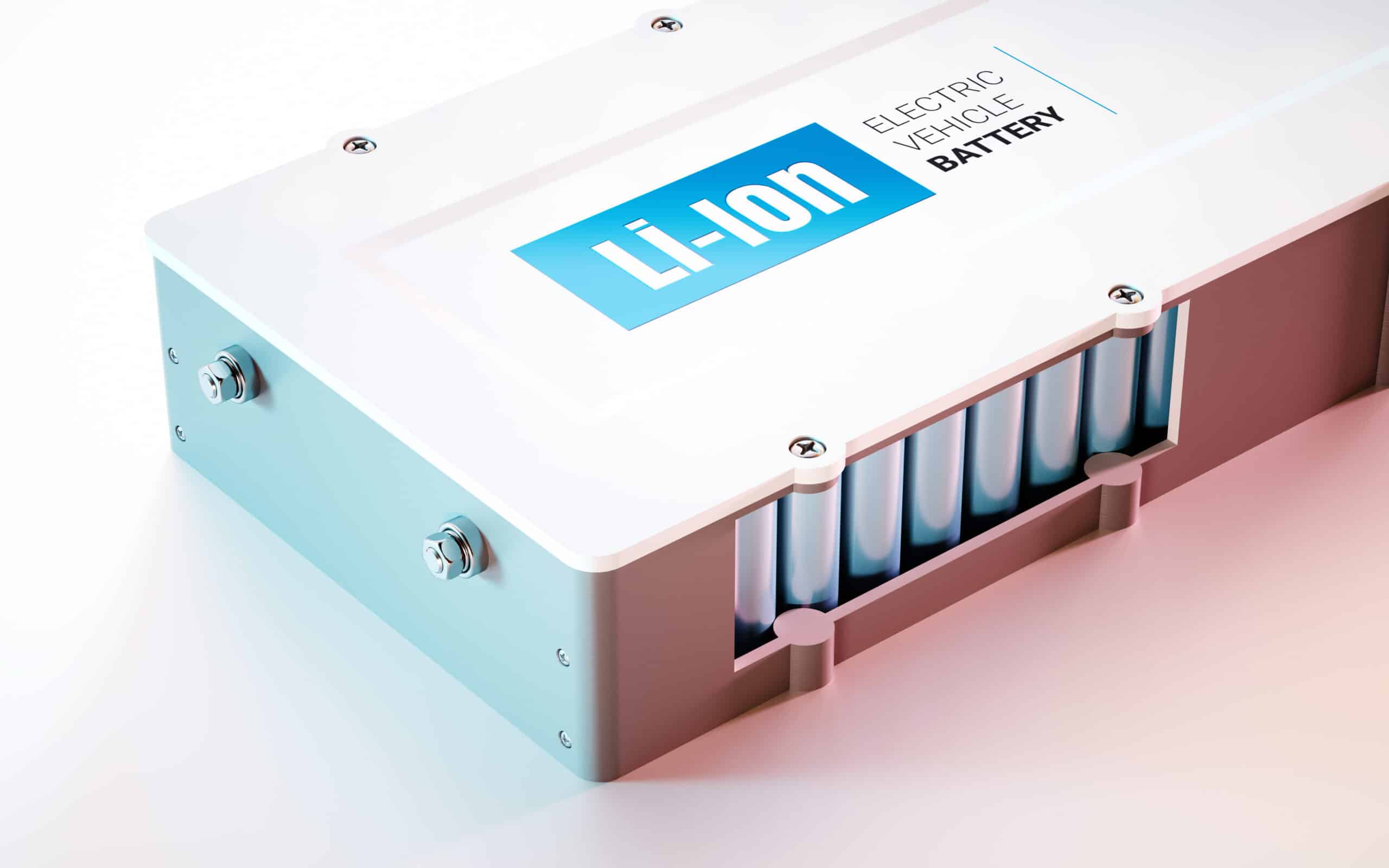
Spent batteries from electric vehicles do not have to be recycled immediately. The American company B2U Storage Solutions has developed a system that uses such batteries to store energy produced by a photovoltaic installation.
Absolutely, battery reuse is gaining traction as a promising approach in both the energy storage and electromobility sectors. Extending the life of electric vehicle (EV) batteries through reuse offers a range of benefits.
By repurposing used EV batteries for secondary applications, such as energy storage, the overall lifespan of these batteries is prolonged. This not only maximizes the value extracted from the initial investment but also reduces the environmental impact associated with battery production and disposal.
Battery reuse can contribute to a more sustainable and circular economy by minimizing waste and conserving resources. As the demand for energy storage solutions grows, the practice of repurposing EV batteries offers an efficient and cost-effective approach to meeting energy storage needs while reducing the strain on raw material supplies.
This trend underscores the innovative possibilities that arise at the intersection of various industries, as well as the importance of sustainable practices in the transition towards cleaner energy and transportation systems.
How to reuse batteries from electric vehicles?
B2U Storage Solutions is at the forefront of battery reuse in the energy storage field. Operating a solar farm in southern California, the company has implemented an innovative system that employs 1,300 retired batteries sourced from vehicles like the Nissan Leaf.
In this system, the repurposed batteries play a pivotal role. They collect surplus electricity generated by the solar panels during peak production times, storing it for later use. As night falls or energy demand rises, these batteries release the stored electricity back into the local power grid.
The 1,300 batteries are thoughtfully organized into 56 sections, each housed within a specialized “cabinet” designed for meticulous temperature control. Working collaboratively with electric vehicle manufacturers, B2U Storage Solutions has devised customized algorithms to monitor and manage critical battery parameters, including state of charge.
The company’s dedication to innovation is further underscored by its use of plug-and-play battery technology and proprietary software. These elements synergize to extend the life of the repurposed batteries, enabling them to remain functional for up to five years before eventual recycling.
B2U Storage Solutions’ approach showcases the potential of battery reuse to harmonize sustainable practices, energy efficiency, and innovative solutions in the pursuit of a greener future.
Growing supply
As we approach the end of the current decade, the influx of used batteries from electric vehicles is anticipated to surge, creating a significant challenge. B2U Storage Solutions’ innovative approach is poised to play a pivotal role in effectively managing this impending wave of retired batteries.
The concern over depleting batteries and their environmental impact is a key aspect of discussions surrounding the ongoing revolution in the automotive industry. B2U Storage Solutions’ technology stands as a tangible solution that can resonate with those who might harbor skepticism about the transformative shift towards e-mobility.
Established in 2019, B2U Storage Solutions has been making notable strides in this arena. In addition to its solar farm in Lancaster, the company is in the final stages of another project in Cayuma. This forthcoming endeavor will also harness the power of used electric vehicle batteries, highlighting the company’s commitment to sustainable and innovative energy solutions.
As we approach the era of increased battery retirements, B2U Storage Solutions serves as an exemplar of how creative thinking can help address not only energy storage challenges but also the broader environmental concerns associated with the growth of electric mobility.
Leave a Reply