Russian gas and energy storage from EU funds. Hungary draws from two sources
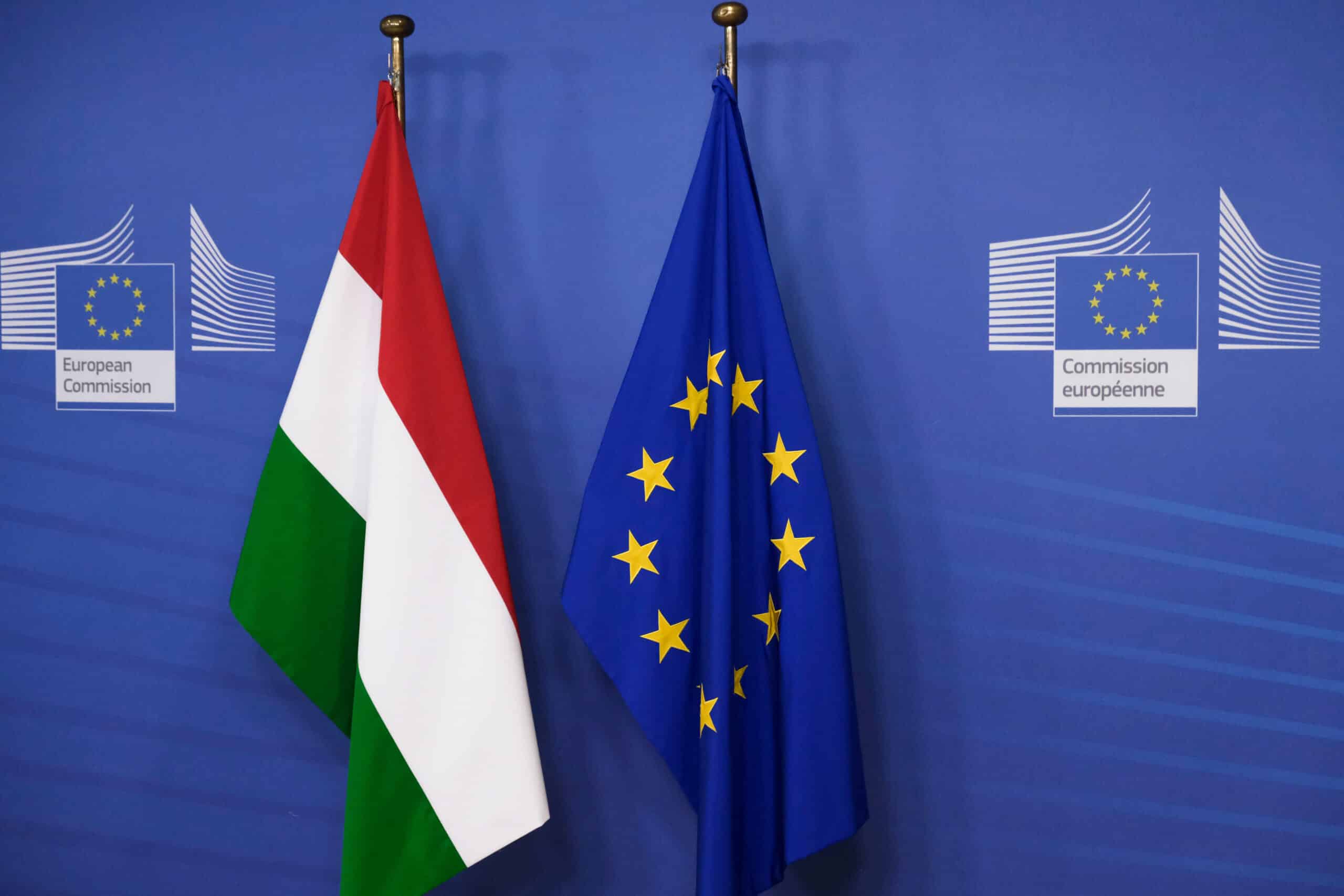
The European Commission has given the green light to a subsidy program worth €1.1 billion initiated by the Hungarian government. These funds are earmarked to bolster significant energy storage initiatives within the country. This program showcases Hungary’s commitment to advancing its energy storage capabilities while aligning with broader European energy goals.
The primary objective of this project is to facilitate Hungary’s shift towards a net-zero emissions energy system. This program’s approval is in accordance with the European Union’s crisis and energy transition regulations, which were introduced in March to decrease reliance on fossil fuels. By embracing these provisions, Hungary aims to accelerate its transition towards cleaner and more sustainable energy sources, contributing to both environmental and energy security goals.
Hungary’s goals
Hungary is aiming to allocate the received funds to energy storage ventures with a collective installed capacity of at least 800 MW and a storage capacity of 1,600 MWh. These projects are pivotal for integrating newly generated renewable energy sources into the national power grid, fostering the nation’s transition to cleaner and more sustainable energy solutions.
The allocated funds will be directed towards companies operating within the Hungarian energy sector, with the exception of financial institutions. Moreover, they will also support projects beyond Hungary’s borders that can contribute energy via cross-border distribution networks.
There are no restrictions on specific energy storage technologies, but the initiative is expected to predominantly favor systems utilizing lithium-ion batteries. The selection of investments will be carried out through a competitive tender process.
The investors are set to receive the funds before the conclusion of 2025, with the stipulation that the systems are operational within three years of contract signing. Hungary joins a list of other countries, including Greece, Romania, Finland, Croatia, Estonia, and Slovenia, that have benefited from analogous programs to enhance their energy storage capabilities.
Tesla in the largest gas power plant
Hungary has taken initial strides in significant battery energy storage system (BESS) investments. In 2022, the Dunamenti power plant, the largest gas-fired facility in the country with a capacity of 794 MW, incorporated three Tesla Megapacks.
This energy storage setup possesses a capacity of 7.68 MWh and can operate for two hours. Consequently, the batteries’ installed capacity totals around 3.84 MW. By integrating energy storage systems like these, Hungary’s grid operator can effectively manage grid stability and guarantee a secure supply of electricity, particularly during high-demand periods. This marks an important step towards a more resilient and balanced energy infrastructure in Hungary.
Gas from Russia
In 2021, Hungary entered into a substantial gas supply contract with Russia. This agreement is set to last for 15 years, with the option to decrease the gas volume purchased after the initial 10 years.
Following the Russian military action in Ukraine, Hungary’s foreign ministry declared that it had inked a deal with Gazprom. Commencing from September 1, 2022, Hungary began receiving an extra 5.8 million cubic meters of gas per day. This agreement reflects Hungary’s efforts to ensure a stable energy supply while adapting to changing geopolitical dynamics in the region.
Leave a Reply