Global deployments of battery energy storage systems will exceed 400 GWh per year by 2030
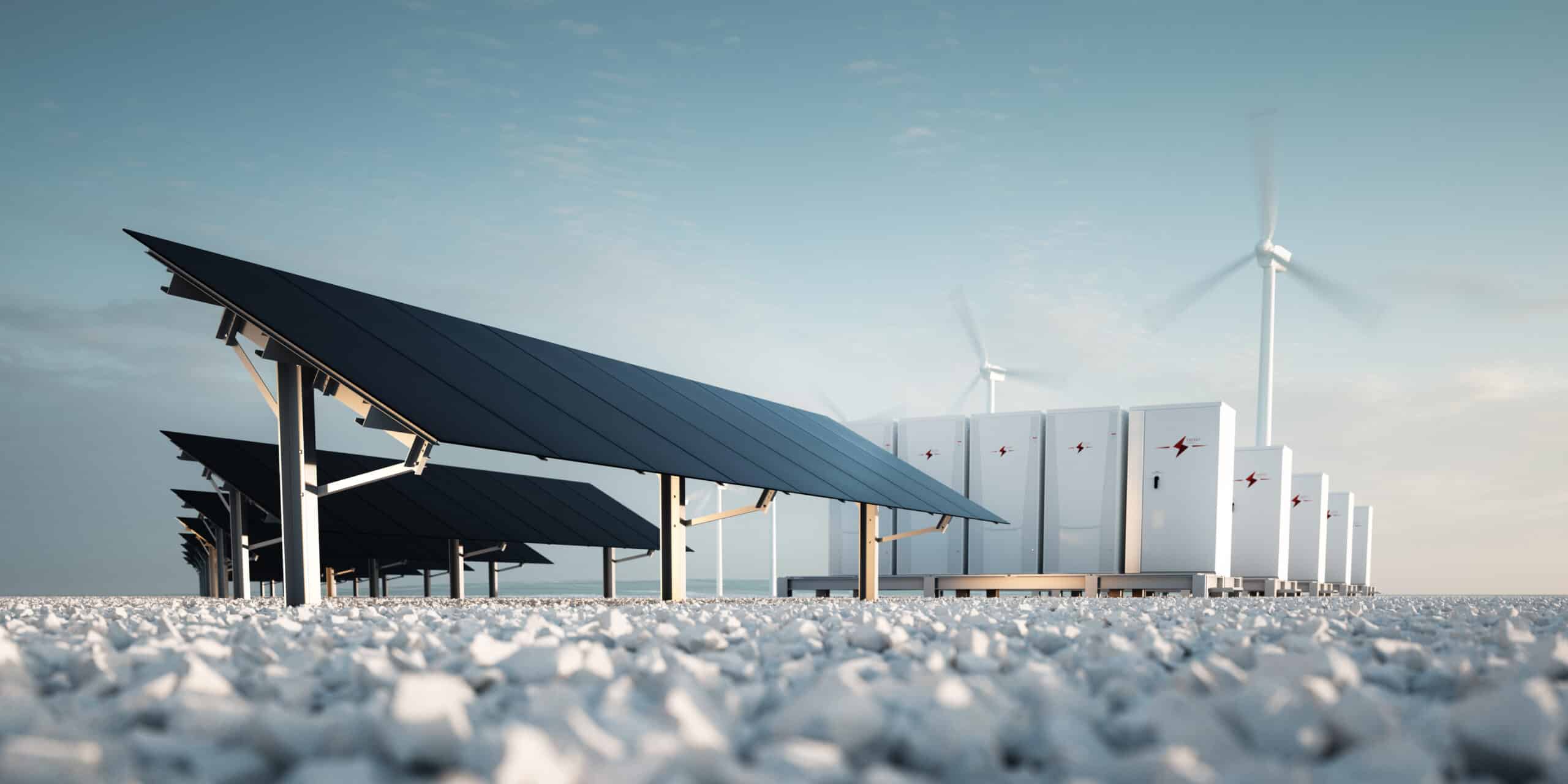
According to the research company Rystad Energy, the annual increase in power and capacity installed in BESS energy storage facilities will increase tenfold in the years 2022-2030. New installations with a total capacity of approximately 421 GWh are expected in 2030. Last year, this value was 43 GWh.
Indeed, the energy storage sector is poised for significant growth this year. Projections indicate a remarkable surge of approximately 72% compared to the previous year, culminating in a capacity of around 73 gigawatt-hours (GWh) for 2023. This substantial increase can be attributed to a combination of key factors that are driving the industry’s expansion.
One significant factor contributing to this growth is the reduction in capital costs associated with energy storage technologies. Lower costs have facilitated the affordability of these systems, making them a more attractive option for various markets.
Domestic financing programs introduced in the United States and Europe have also played a role in spurring adoption and investment in energy storage. These programs provide financial incentives and support for energy storage projects, encouraging their development on a larger scale.
China’s robust contribution to the industry’s growth cannot be underestimated. The substantial increase in production capacity within China has created a surge in supply, driving down costs and making energy storage solutions more accessible globally.
Collectively, these factors have paved the way for a substantial boost in the energy storage sector this year. This growth not only marks a significant step forward in sustainable energy management but also underscores the sector’s potential to reshape the global energy landscape.
Application of BESS systems
Battery Energy Storage System (BESS) technology boasts a versatile array of applications across various sectors. In the residential and commercial domains, BESS technology primarily serves the purpose of optimizing energy consumption. By intelligently managing energy flows, it enables efficient utilization and potentially reduces electricity bills for consumers.
On a larger scale, particularly in grid-level operations, energy storage facilities assume a critical role in grid management. They aid in stabilizing the grid by balancing out fluctuations in energy supply and demand. Moreover, they play a pivotal role in mitigating the impact of peak energy consumption times and price fluctuations. Additionally, energy storage facilities can also serve contractual commitments by providing predetermined capacities as needed.
A notable development in the energy storage landscape is the growing significance of these systems in transmission assets. This emerging trend signifies that energy storage is becoming a fundamental component in enhancing the resilience and efficiency of energy transmission networks. A prominent player in this arena, Fluence, recognized as the largest BESS integrator globally, has strategically focused on this area, reflecting the increasing recognition of the technology’s potential in transmission infrastructure.
In essence, the versatility of BESS technology extends its influence across a spectrum of applications, ranging from individual energy optimization to grid stabilization and even significant contributions to the broader energy transmission infrastructure. This underscores the transformative impact of energy storage solutions in shaping the energy landscape of the future.
Will Asia take the lead?
Rystad Energy’s data reveals a geographical shift in the installation of new Battery Energy Storage Systems (BESS). Presently, the majority of new BESS systems are being deployed in North America. Nevertheless, projections indicate that by 2030, Asia will assume a dominant position in this ranking, overtaking North America in the adoption of BESS technology.
Europe, although trailing behind Asia and North America in the deployment of BESS systems, is anticipated to witness a substantial surge in new investments over the next decade. Forecasts indicate that by 2030, the rate of new investment in Europe will increase by more than fivefold. Despite this considerable growth, Europe’s adoption of BESS technology is projected to remain below the levels expected in the aforementioned continents.
This shift in regional dynamics underscores the evolving nature of the global energy storage market. It also signifies the increasing recognition of BESS technology as a pivotal component of energy infrastructure across the world. As regional markets continue to mature and investments ramp up, the energy storage landscape is poised for significant transformation, contributing to the advancement of sustainable energy systems on a global scale.
Leave a Reply