Energy production in RES micro-installations increased
The Energy Regulatory Office (URE) has recently released its 2022 report on electricity generation in Poland. As outlined in the latest edition of this report, electricity production from micro-installations experienced a noteworthy twofold increase within the country over the course of the previous year.
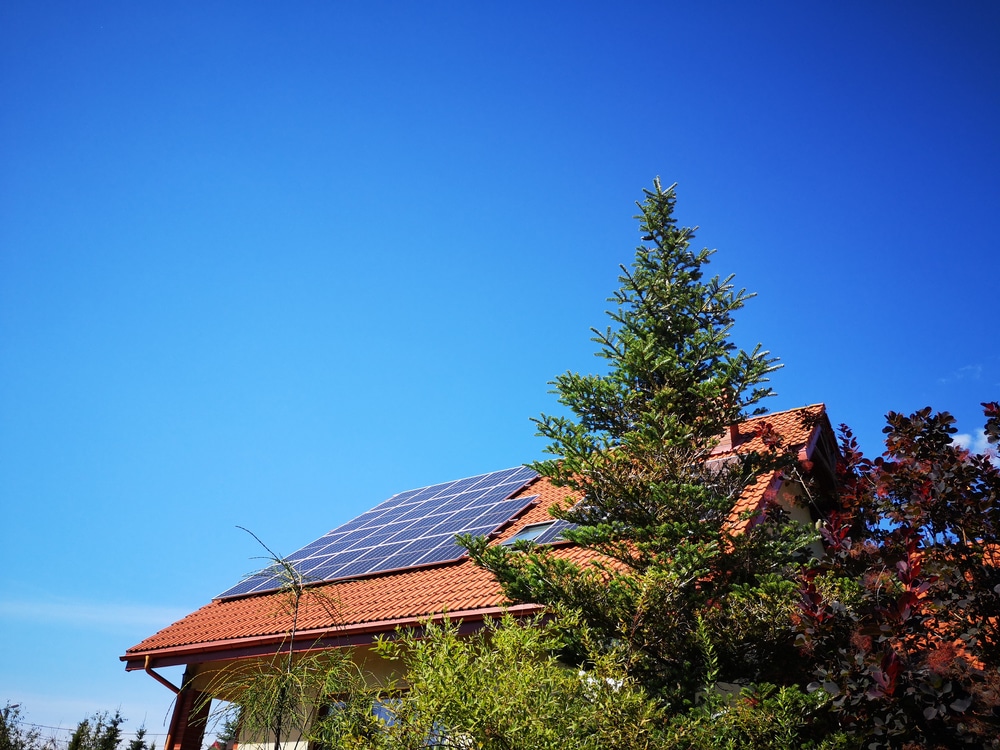
Furthermore, the communication from the Energy Regulatory Office (ERO) highlights the continued prominence of solar energy producers and photovoltaic systems within the realm of energy generation in micro-installations for renewable energy sources (RES). It’s important to recall that micro-installations encompass the smallest RES setups, characterized by a capacity of up to 50 kW.
What contributed to these increases?
Based on data provided by the Energy Regulatory Office (ERO), the surge in climate change awareness among the Polish population is proving to be a pivotal factor. Individuals who possess a heightened environmental consciousness are actively engaged in seeking methods to curtail their electricity expenses. This, in turn, fuels a heightened attraction to generating energy from their own eco-friendly sources.
Consequently, there is an increased willingness among Poland’s residents to generate energy for personal consumption by means of installations installed at their residences. Conversely, any surplus energy they generate themselves is subsequently channeled into the broader distribution network.
How did URE sum up 2022 in numbers?
As of the conclusion of 2022, the power grid was linked to an impressive count of over 1.2 million micro-installations. These installations, when combined, contributed a substantial installed capacity exceeding 9.3 gigawatts. It’s noteworthy that an overwhelming 99 percent of these micro-installations were primarily photovoltaic setups.
Moreover, the report provides insight into the composition of these micro-installations. Among them, the highest proportion is utilized by prosumers. It’s important to highlight that prosumer installations constitute a significant 96 percent of the total installed capacity within the realm of micro-installations.
How does this compare to 2021?
The data presented in our latest report clearly indicate that the generation of energy in green micro-sources has been growing at a tremendous pace for several years.
During the year 2022, micro-installations injected nearly 5.8 terawatt hours of energy into the distribution grids. The Energy Regulatory Office (URE) highlights that this energy volume for 2022 signifies a remarkable surge – a substantial increase of up to 109 percent in comparison to the previous year, 2021. Notably, the President of the Energy Regulatory Office underscores that the trajectory points towards continued expansion in this domain. This evolving landscape necessitates the adjustment of network infrastructure to accommodate the anticipated growth.

Source: Shutterstock
The significance of distributed generation sources like these is poised to escalate within our nation, particularly within the framework of energy transformation and the development of a fresh architecture for the energy market. This new design places emphasis on generating and consuming energy at the local level. Nevertheless, the integration of such a substantial capacity of micro-installations into the power system underscores the pressing need for a swift adaptation of the network infrastructure.
Rafał Gawin, President of the Energy Regulatory Office
Source:
RES: Last year, the production of electricity in micro-installations doubled in our country? indicates the latest report of the Energy Regulatory Office, www.ure.gov.pl
Leave a Reply