Can biogas from food scraps support global energy?
As per the Food and Agriculture Organization of the United Nations (FAO), a staggering 1.3 billion tons of food are wasted annually, which accounts for over 30% of the global food production.
This issue presents itself in various dimensions. Naturally, the moral concern and the plight of millions of undernourished individuals worldwide take center stage. Numerous organizations are actively engaged in finding solutions to bridge this stark contrast. Another facet revolves around sustainability and the efficient utilization of food remnants. This is where factors such as the energy sector and the advancement of contemporary technologies come into play.
Biogas potential
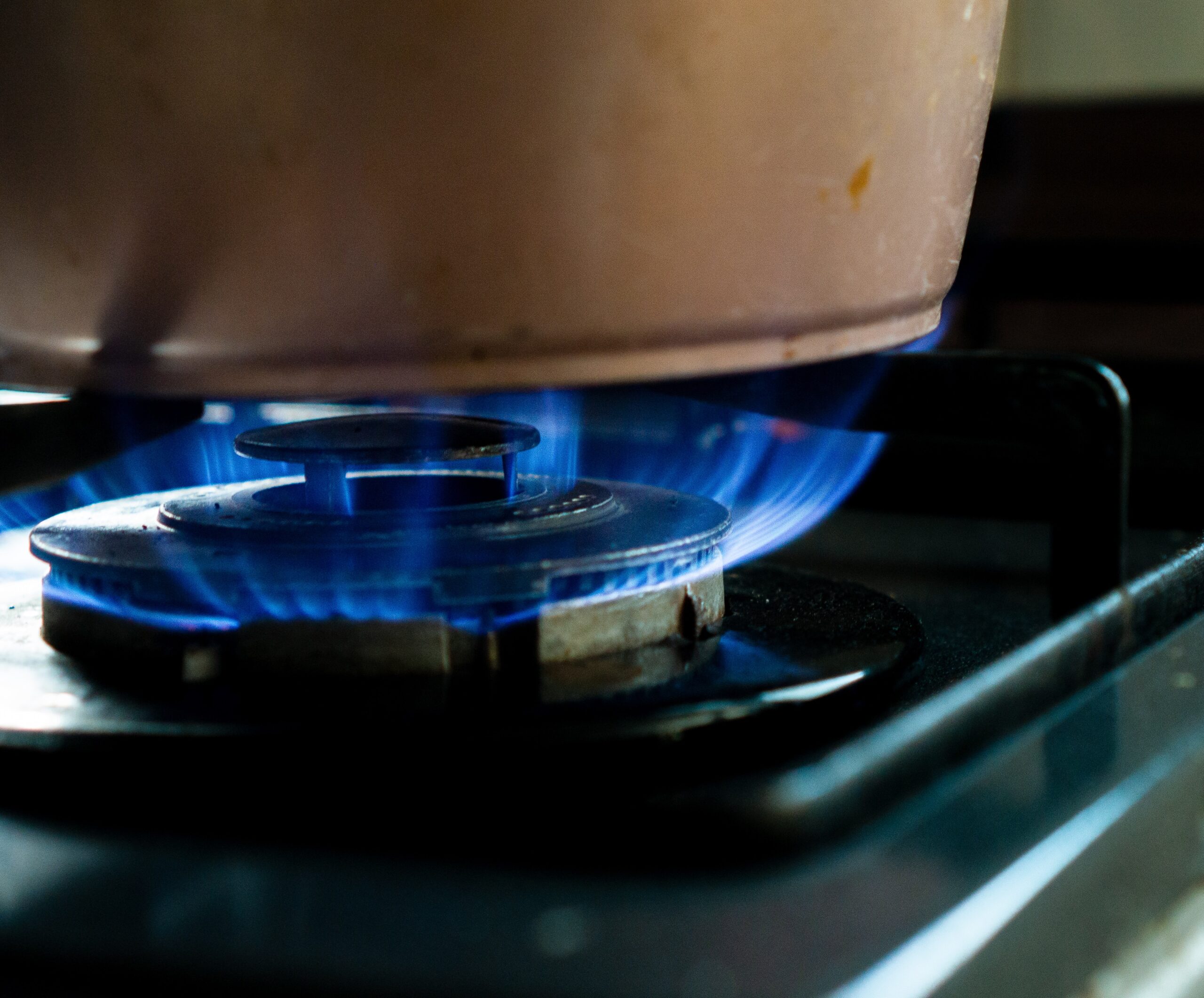
From approximately 100 kg of organic waste, around 10 m3 of biogas can be produced (variation depends on the technology employed). The average energy value of biogas derived from municipal biowaste is approximately 21.54 MJ/m3. The energy content within 1 m3 of this biogas equates to the energy content in 0.93 m3 of natural gas, 1 dm3 of diesel oil, or 1.25 kg of coal. Furthermore, 1 m3 of biogas is equivalent to 9.4 kWh of electricity.
Harnessing this potential comes with challenges? Achieving a 100% conversion of food waste to energy remains unfeasible and may remain so for some time. Yet, advancements in technology are enabling us to surmount these obstacles and enhance the contribution of biogas to global energy systems.
Sweden stands as a prime example, having already replaced 20% of natural gas consumption with biogas (per the IEA Bioenergy Countries’ Report 2021). In Sweden, bio-waste gas not only heats buildings but also fuels public transportation. The country boasts approximately 50,000 biomethane-powered vehicles on its streets, with aspirations to eliminate reliance on imported transport fuels by 2030.
Similarly, our own country possesses considerable biogas potential. According to experts from Poznań University of Life Sciences, Poland’s annual biogas potential reaches a substantial 13 billion m3, which could address over 50% of natural gas demand. Presently, Poland operates just over 300 biogas plants with a combined capacity of around 250 MW. By comparison, Germany boasts over 10,000 biogas plants.
To tap into this potential, the National Center for Research and Development has initiated the “Innovative Biogas Plant” project? This initiative follows the pre-commercial procurement (PCP) approach, where the National Center for Research and Development commissions the development of innovative technologies that require research and development efforts. The program aims to construct six biogas plants utilizing three distinct technologies.
Biogas and innovations
The substantial energy potential inherent in biowaste has spurred rapid innovation. Engineers worldwide are diligently tailoring technical solutions to address the current requirements of the food industry and beyond.
A significant portion of food waste arises from the hospitality sector. On average, a restaurant discards around 70 tons of food annually. In response to this issue, an Indian startup named Avris Environment Technologies has introduced a compact biogas system known as CHUGG.
CHUGG operates at the source of waste generation, processing bio-waste through anaerobic fermentation. This process yields usable biogas that can be employed, for instance, within a restaurant’s kitchen. This mechanism forms a self-contained loop. Notably, the CHUGG system is designed to be both mobile and modular, allowing restaurant owners to flexibly adjust its processing capacity to match fluctuating food waste volumes.
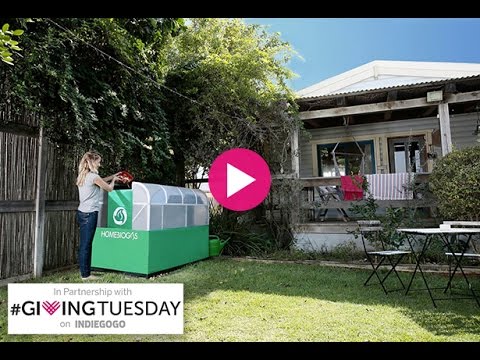
Similar solutions catering to households are also available on the market. An Israeli company named HomeBiogas has developed a compact chamber for anaerobic digestion, ingeniously combined with a specialized gas cooker. This innovative approach enables homeowners to convert their organic waste into valuable energy.
The way anaerobic digestion works is always getting better and better. Just this year, in 2023, an American company named GELF Energy took a big step forward. They came up with something cool called the Microbial Energy Device. With this system, the methane created is even better, and the whole process happens ten times faster. And that’s not all – they even added a trick to catch carbon dioxide during the process.
Not all bio-waste is worth turning into energy
It’s important to recognize that some bio-waste holds more potential than just producing energy. Valuable materials can actually be extracted from them. This is precisely what the Polish startup, EcoBean, has been doing with coffee grounds for a while now – and they’ve been quite successful.
Initially, EcoBean started with a product: a coffee ground briquette. However, they realized there was more to coffee grounds than simply burning them for energy. So, they rolled up their sleeves, headed to the lab, and confirmed their hunch. Presently, they stand as the leaders in coffee ground processing, extracting five key components: coffee oil, antioxidants, lactic acid (PLA), lignin, and protein additives. According to Marcin Koziorowski, the CEO of EcoBean, this all brings forth a world of possibilities.
The EcoBean experts’ research shows that even something as seemingly ordinary as coffee grounds can have multiple applications. Marcin explains that their extracted fractions find use across a range of industries – from cosmetics, hospitality and food, to medical, textiles, and even fuel. For instance, the antioxidants might end up in skincare products, coffee oil in cosmetics, and lignin could potentially replace items made from wood pulp, like straws. They’re not solely focused on final products; they’ve recently developed a compostable pot crafted from coffee grounds, which decomposes within a month when placed in the ground.
EcoBean is consistently pushing the envelope to explore more ways to make the most of waste. With the EcoBean Technology Center set to open in 2024, their research horizons are expanding. And as they look ahead, their plans involve steady growth and taking their innovative approach internationally.
Circular economy and food crisis
Turning food waste into something useful aligns seamlessly with the idea of a circular economy. In fact, it should be a fundamental part of it. This means our governments need to step up with courageous choices and invest in cutting-edge technologies.
Considering our fast-paced consumption habits, increasing global population, and the unsustainable ways we handle food, there’s a real chance of a food crisis looming ahead. To prevent this, grassroots changes are essential. The journey can begin with straightforward practices to reduce waste in our daily routines. Teaching the youngest generation and raising environmental awareness among older folks are crucial steps too. It’s a combined effort that can make a significant impact.
Leave a Reply