The Czech Republic has received approval from the European Commission to finance its nuclear power plant.
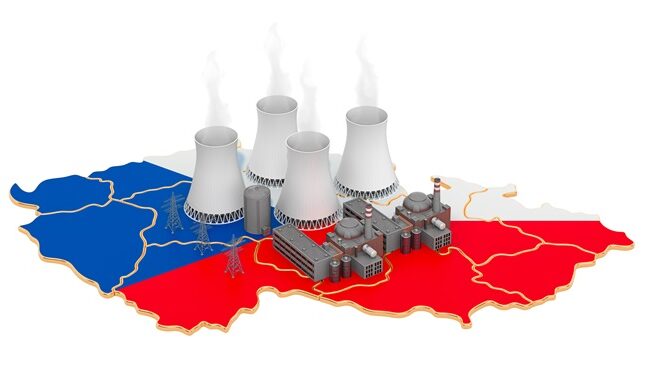
The Czech project known as Dukovany II is scheduled to be completed in 2036, with the 1,200 MW reactors expected to begin commercial operation in 2038. A specially established SPV company will be responsible for supplying the electricity.
The Czech Republic has chosen a different approach to nuclear project development than Poland, which began by selecting a technology partner. In March 2022, Poland’s southern neighbour asked the European Commission to assess its plans for expanding the existing Dukovany Nuclear Power Plant.
Talks with the Commission lasted more than two years. During the negotiations, Brussels expected the Czech Republic to shorten the duration of direct support linked to the electricity price generated by the new nuclear unit. The Czechs agreed to this proposal, deciding that the mechanism would apply for 40 years, rather than 60 years as originally planned.
Financing under a contract for difference
As stated in the communication published on the European Commission’s website, the Czech Republic supported the adoption of an electricity pricing formula “similar” to a contract for difference (CfD). In simplified terms, this means that if the guaranteed price in the contract turns out to be higher than the market price, the power plant will receive a top‑up payment; if the market price is higher, the plant will have to pay back the difference.
“Such exposure to market signals limits market distortions and prevents the displacement of renewable energy sources, benefiting the power system and facilitating its decarbonisation,” the Commission noted in its statement.
It was also agreed that at least 70% of the electricity produced by the nuclear unit will be traded on the power exchange throughout the plant’s operational lifetime, while the remaining share may be sold through energy auctions.
The project will additionally be supported by a state‑subsidised loan covering most of the construction costs, as well as a mechanism protecting against unforeseen events or policy changes that could hinder the project’s implementation.
Source: ec.europa.eu
Leave a Reply