Port of the Future: How Teesside GigaPark Combines Energy Storage with Maritime Decarbonization
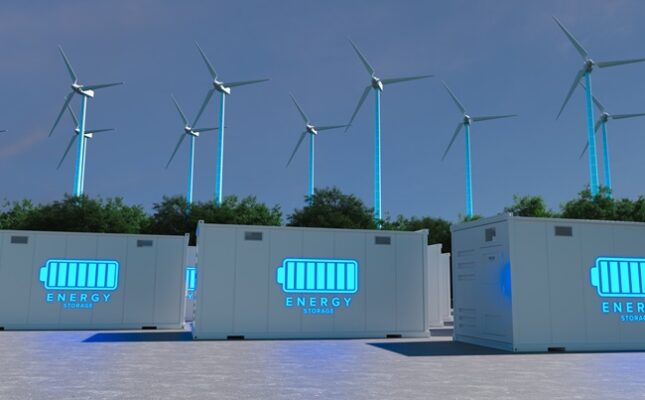
NatPower UK has announced the construction of one of the most advanced energy storage projects in Europe.
On a 32-hectare site at Wilton International in Redcar, a 1 GW / 8 GWh lithium-ion battery energy storage system will be built, forming the foundation of a new strategy to integrate renewable energy with industrial and maritime infrastructure.
Power where it is needed most
The UK’s power system is currently facing a major challenge – a sharp rise in electricity demand (up 50% by 2050) and the need to cut curtailment losses from renewable generation, which today cost the country as much as £3.5 billion annually.
Teesside GigaPark aims to fill this gap. Thanks to a 400 kV / 1 GW grid connection agreement with National Grid, the system will be able to balance the grid instantly, storing surplus offshore wind generation and releasing it during periods of high demand. Replacing conventional peaker plants will not only stabilize the system but also reduce energy costs for industry and lower emissions.
The £1 billion project will, in its first phase, have a capacity of 1 GW and four hours of storage (4 GWh), with the option to double the duration to eight hours. This will make Teesside GigaPark provide storage and flexibility capabilities unprecedented in the UK, where most projects operate within the one-to-two-hour range.
Ports as hubs of the energy transition
What sets the GigaPark apart from other BESS projects is its integration with port infrastructure. From the outset, the investment was designed to supply power to ships while docked and, in the future, enable charging for electric vessels.
This will make Teesside one of the first locations in Europe where heavy industry decarbonization converges with the electrification of shipping. This dimension is strategically important in the context of UK and international climate goals, reducing emissions in ports and coastal waters.
As Stefano D.M. Sommadossi, CEO of NatPower UK and NatPower Marine, emphasized:
“Teesside, our most advanced GigaPark, will become a model for combining high-capacity energy storage with the electrification of ports and industry. Within five years, we can transform this region into a zero-emission economic hub, and then replicate this model in ports worldwide.”
Economic and social impact
The project will also act as a driver of regional development. Around 200 jobs will be created during the construction phase, followed by permanent, highly skilled positions linked to system operation and maintenance.
NatPower also plans to allocate £2 million annually to the local community through a fund managed by the Evogea foundation. Collaboration with local universities, technical schools, and environmental organizations is intended to provide training in clean energy and engineering as well as support for the local supply chain.
Mike Patrick, CEO of Sembcorp Energy UK, added:
“Wilton International is a strategic location with strong grid infrastructure, ideal for the development of long-duration storage. This project will strengthen the region’s role in the national pathway to net zero and make Teesside a hub of low-carbon technology innovation.”
Leave a Reply