Photovoltaics as a way to preserve biodiversity?
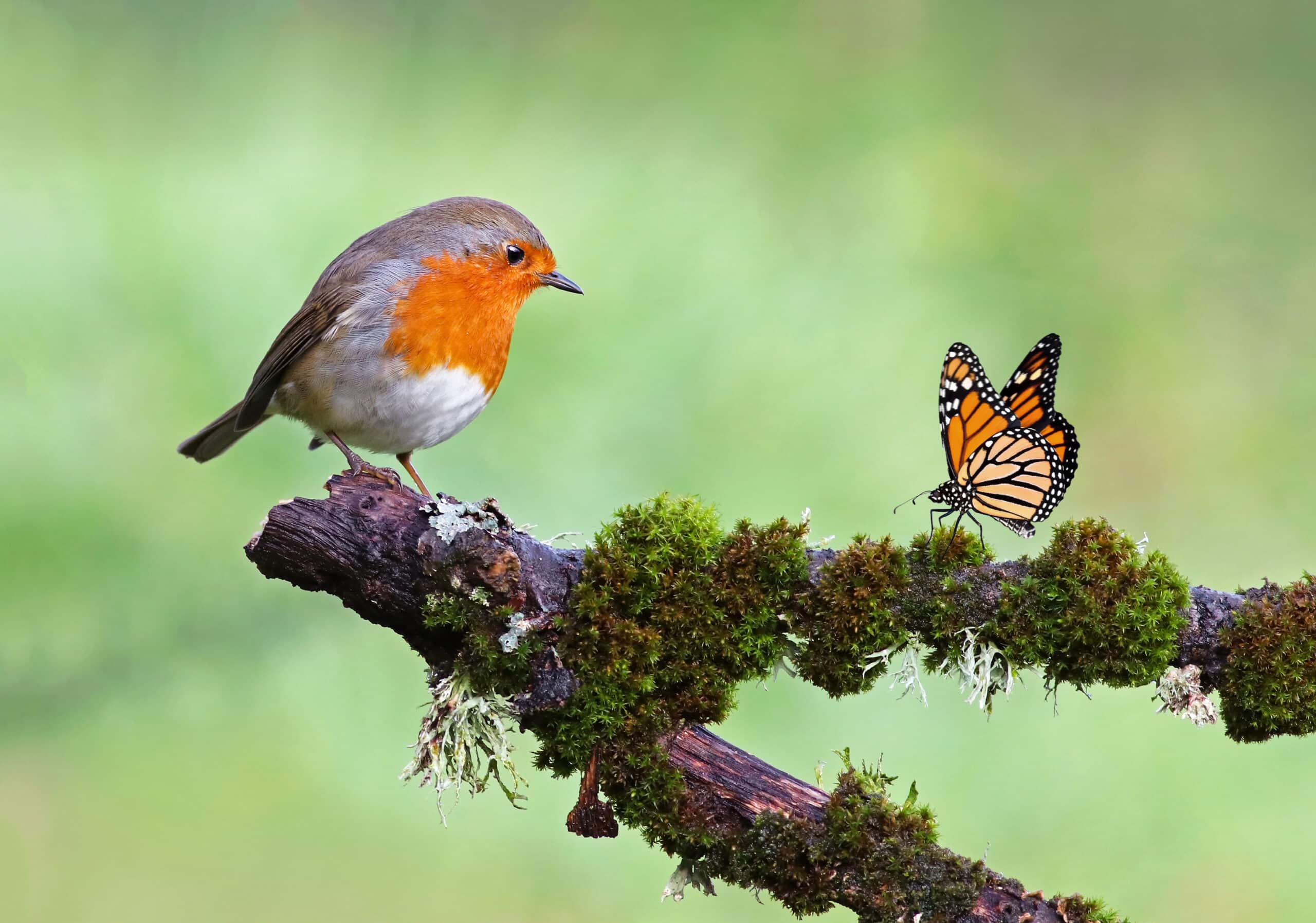
The recent report from Solar Energy UK’s Solar Habitat in the UK has affirmed that large-scale photovoltaic farms frequently provide a habitat for endangered animal species.
The Maclągwe bird, an endangered species, has been observed in over half of the 37 analyzed photovoltaic farms, according to a report from Solar Energy UK’s Solar Habitat. Similarly, the endangered yellowhammer and skylark birds have been spotted in at least half of the farms assessed in the SEUK study.
Brown hares, a common mammal, inhabit approximately 25% of the verified photovoltaic farms. Additionally, the Eurasian Hyphae butterfly, considered endangered in Great Britain although common in Poland, was observed in the vicinity of nine sites.
Conducted according to standards developed by Solar Energy UK in the previous year, the research was a collaborative effort involving Lancaster University and consulting firms Clarkson & Woods and Wychwood Biodiversity.
Rachel Hayes from Solar Energy UK affirms that properly designed and managed solar farms can contribute to addressing both the climate crisis and the decline in biodiversity.
These findings underscore that photovoltaic installations have a positive environmental impact beyond energy production. For more insights on related research, you can explore our article on Australia’s use of photovoltaics to protect wildlife.
Leave a Reply