Not only Poland needs a modernized network. California must invest $50 billion
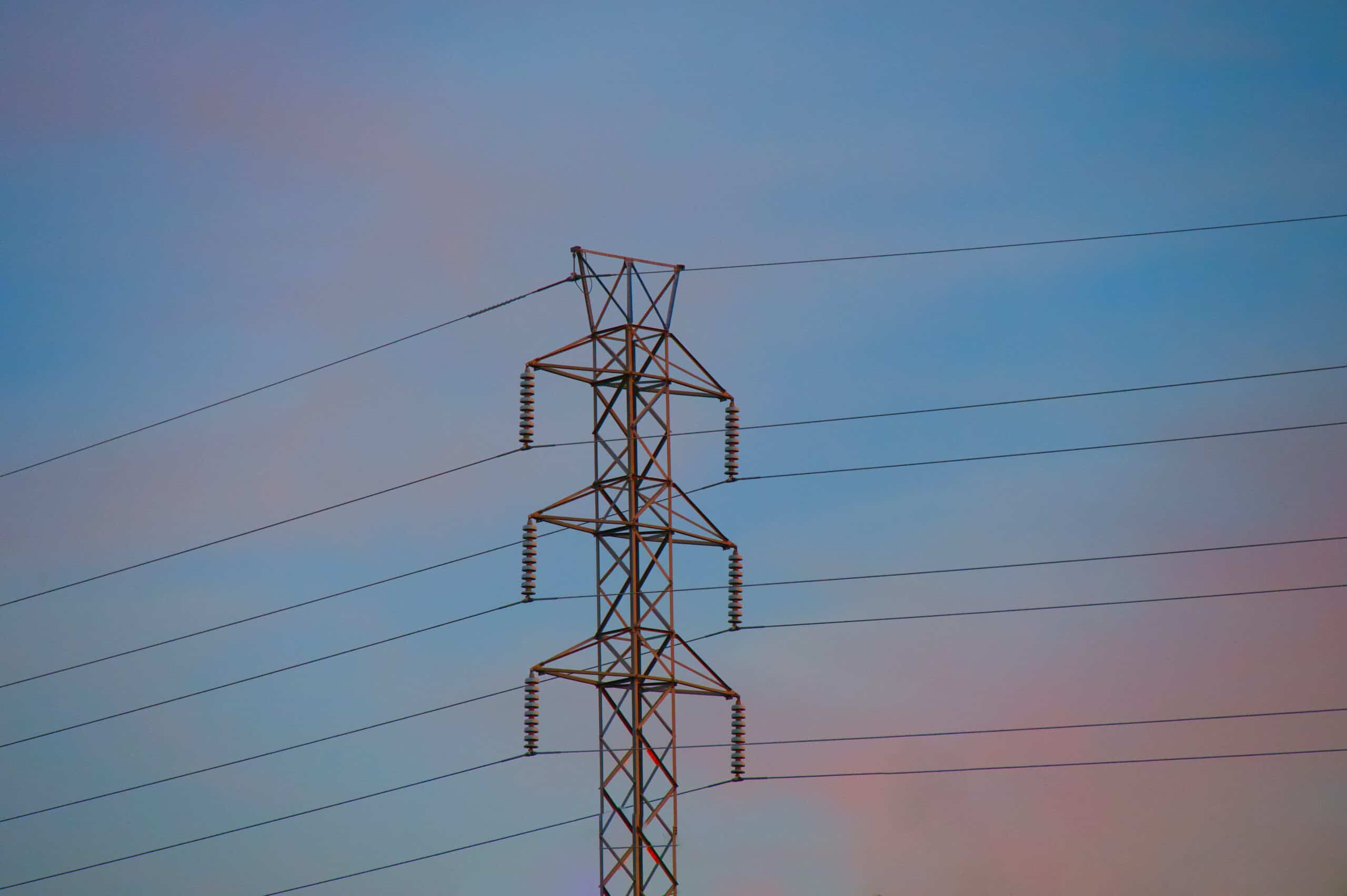
California will require $50 billion by 2035 to update its infrastructure to support the growth of electric vehicles and the increasing use of renewable energy sources in its energy mix.
California has set ambitious goals for its energy future. By 2045, the state aims to fulfill all its electricity needs using renewable energy sources, with an interim target of having 60% of its energy come from renewables by 2030. A report by research firm Kevala for the California Public Utilities Commission highlights the considerable costs associated with achieving these objectives.
The report conducted a comprehensive analysis, drawing from over 100 terabytes of data encompassing more than 12 million facilities throughout California. It factored in distributed energy resources and the growth of electric vehicles.
Analysts suggest that implementing dynamic, real-time electricity pricing and flexible network load management strategies will be critical. The model employed by researchers also considered the evolving energy storage market.
The investments outlined in the report are not only geared toward adapting infrastructure to evolving needs but also maintaining stable electricity prices. Detailed recommendations are offered to the state’s three major utilities as they develop their distribution plans for the future.
In 2018, California introduced a mandate for new residential and apartment buildings to include at least one renewable energy source. Interestingly, this regulation permits the creation of collective systems that can serve entire neighborhoods.
California’s approach aligns with the broader decarbonization efforts across the United States, where the capacity of coal-fired power plants is projected to decrease by over 50% by 2050 compared to 2022 levels. You can find more information about this topic in the article titled “Partial Decarbonization of the United States by 2050.”