Will energy storage technology in space work on Earth?
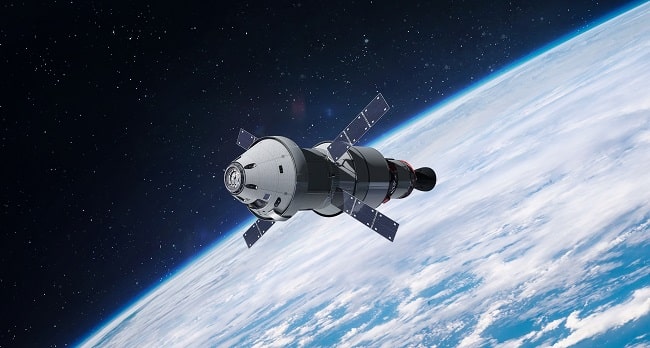
The nickel-hydrogen batteries, initially created by NASA back in 1970, have the potential to bring about significant changes in the Earth’s energy storage industry. A California-based company called EnerVenue has successfully redesigned this technology and is planning to establish a massive 92,900-square-meter gigafactory in Kentucky.
Nickel-metal hydrogen batteries, with their capability to endure 30,000 charging cycles, surpass existing technologies in various essential aspects. They are intended for deployment on a large-scale network.
What are nickel-hydrogen batteries?
Nickel-metal hydride batteries function differently from other types of batteries. They consist of a set of electrodes enclosed within a pressurized gas tank. The cathode is made of nickel hydroxide, while the anode is composed of hydrogen. During the charging process, a catalytic reaction generates hydrogen gas, which is subsequently oxidized and converted back into water.
Historically, the widespread use of these batteries on a network scale was economically impractical due to the expensive platinum catalysts they used. However, five years ago, Yi Cui developed a much more affordable catalyst crafted from a nickel, molybdenum, and cobalt alloy, with a cost of roughly USD 20 per kilogram.
As the pressure within the tank increases, it transitions into a liquid state. Importantly, there is no occurrence of thermal runaway throughout this process, which is a concern with lithium-ion batteries, as their reaction byproducts can lead to uncontrolled heat buildup.
Additionally, these batteries can operate effectively within a broad temperature range, from -40 to 60 °C. This wide operating range eliminates the need for costly temperature regulation and fire protection systems, further enhancing their appeal.
Technology limitations
A significant drawback of nickel-hydrogen batteries lies in their comparatively lower energy density when compared to lithium-ion technology. This means that more physical space and a greater number of batteries are required to generate the same amount of power.
Aaron Marks, an energy storage technology analyst at Wood Mackenzie, also affirms that the production process for these batteries is presently more expensive than widely used technologies. This increased cost is primarily attributed to the early stage of development of the redesigned nickel-hydrogen battery technology.
Despite these challenges, EnerVenue has initiated a pilot production line capable of producing around 100 MWh per year and has executed small-scale testing systems. Notably, Jörg Heinemann, the CEO of the startup, has revealed that the company has already received orders for batteries with a total capacity exceeding 7 GWh, equivalent to approximately $400 million.
Source: spectrum.ieee.org
Leave a Reply