War, not climate change, will force Europe to switch to green energy
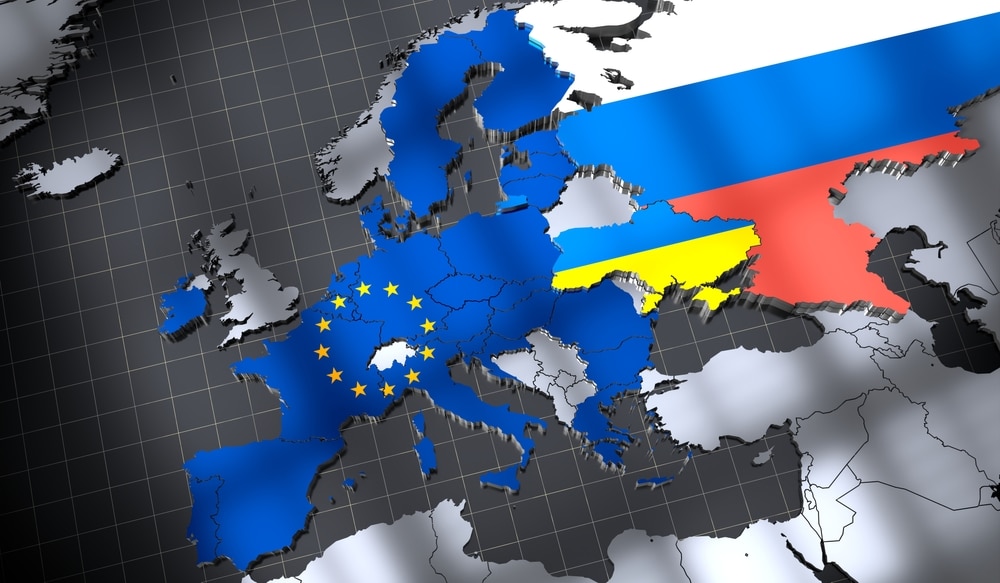
The recent aggression by Russia against Ukraine has galvanized Europe into taking resolute steps to bolster its energy security. This involves a heightened commitment to harnessing energy from renewable sources. While the European continent has encountered the repercussions of climate change, exacerbated in part by CO2 emissions from mining and refineries, it is at this juncture that it is embracing green energy with a profound sense of accountability.
On February 21, 2023, the impact of Russia’s aggression a year prior has prompted a global reassessment not only of international harmony but also of strategic access to energy resources. For more than ten years, the Kremlin has held the position of the European Union’s primary supplier of gas and oil, with imports surpassing 785 million tons of energy products in 2021 alone—a 3.5 percent increase from the previous year. Furthermore, Russia stands as the world’s foremost energy producer.
In the most recent iteration of “Foresight 2023: Darkness Before Dawn,” conducted by analysts from EMIS and CEIC (ISI Emerging Markets Group), a comprehensive exploration delves into the enduring implications of the energy crisis within the European Union. This research underscores the role it plays in hastening the advancement of the green energy transformation across Europe.
Europe is getting warmer
Europe has experienced its warmest start to a year on record, with the first day of 2023 seeing temperatures soaring to as high as 19°C in Poland. Climate experts view this as another piece of evidence pointing to the advancing climate change, attributed in part to the extensive burning of coal, oil, and gas. This occurrence is not the first instance of Europe facing extreme weather events. The continent holds the distinction of being the swiftest-warming region globally. In 2021 alone, the direct consequences of climate change impacted over half a million individuals, resulting in damages estimated at USD 50 billion.
During the same year, Poland’s carbon footprint totaled over 145 million tons of CO2. A staggering 88.2 percent of this emissions output was attributed to the energy and heating sectors—marking the highest percentage among all European nations.
Saving and diversification
Data furnished by analysts at EMIS and CEIC underscores that a mere three months of conflict sufficed for Europe to curtail its electricity consumption to levels not witnessed since 2015. Yet, beyond these conservation efforts, nations have been compelled to broaden their array of energy sources for both electricity and fuel procurement.

Paradoxical as it may appear, the ongoing energy crisis in Europe possesses the potential to galvanize the much-anticipated transition to green practices. Interestingly, the scarcity of fossil fuels coupled with surging prices emerges as a more potent incentive for societal action than the issue of climate change itself. This perspective is highlighted by Andrzej Żurawski, an economist affiliated with EMIS and CEIC (ISI Emerging Markets Group).
Gas consumption reflects climate change
The geopolitical shifts triggered by the ongoing war have compelled European Union (EU) member states to shift their focus toward Liquid Natural Gas (LNG) storage. As elucidated in the recently released “EU Gas Storage Data” by CEIC analysts, the majority of EU nations have bolstered their storage facilities to accommodate heightened gas demand. Presently, storage facilities in almost all countries are stocked above the 50% threshold. Remarkably, for Poland in mid-February, the level reached as high as 77%, despite the ongoing winter season.
The report further underscores the potential of gas storage data as a valuable gauge of economic activity. The commencement of 2023 was characterized by notably warm conditions, a trend evident in the consumption data from LNG terminals. Traditionally, gas consumption diminishes between Christmas and New Year due to reduced economic activity. This year, however, not only did the decline deepen, but the phase of limited usage extended nearly two weeks beyond previous years.
More green energy
The imperative of transitioning to more environmentally friendly energy sources is mirrored in the action plans instituted by the European Union (EU), geared towards achieving full energy autonomy independent of the Kremlin. The drive for domestic production of green energy, with the aim of diminishing reliance on fossil fuel imports, stands as one of the three key facets outlined by the European Commission within the REPowerEU initiative.
To attain the lofty objectives set by the European Commission, analysts from EMIS and CEIC highlight several tangible measures. Among these steps is the target of doubling the current photovoltaic capacity by 2025. Furthermore, there’s an emphasis on integrating geothermal and solar energy into revamped urban and communal heating systems. Notably, hydrogen emerges as a pivotal factor, intended to substitute natural gas, coal, and oil in sectors such as transportation and industries that present challenges in decarbonization.
A winter unlike any other
While the aid programs introduced by EU countries are crucial for citizens, they might potentially undermine the central banks’ long-term efforts to combat inflation. While residents are grappling with bills that would have been unfathomable a year ago, even this substantial cost doesn’t guarantee complete problem avoidance for nations. As Europe anticipates the impending arrival of spring, it must endure until then and subsequently engage in a thorough discourse concerning the transformation of its energy sector.
Sources:
ISI Emerging Markets Group ? Foresight 2023 ? Darkness Before Dawn?
CEIC Insights ?EU Gas Storage Data?
About ISI Emerging Markets Poland:
The ISI Emerging Markets Group is a prominent provider of comprehensive macroeconomic, company, and industry information, including data, analysis, research, and reports, spanning both emerging and developed markets. With a global presence encompassing 20 offices, the company boasts a professional team comprising consultants, analysts, programmers, engineers, and data and content specialists, comprising more than 500 employees.
The group is comprised of three distinct brands: EMIS, which furnishes sensitive and hard-to-reach data concerning companies, industries, and countries within emerging markets; CEIC, offering comprehensive and accurate macroeconomic data for over 200 emerging and developed economies, along with economic and investment analysis and research for professionals ranging from economists and analysts to investors, corporations, and educational institutions; and REDD, which provides relevant information regarding transaction catalysts within emerging markets.
Leave a Reply