The Dominance of Renewable Energy in the U.S. in 2024
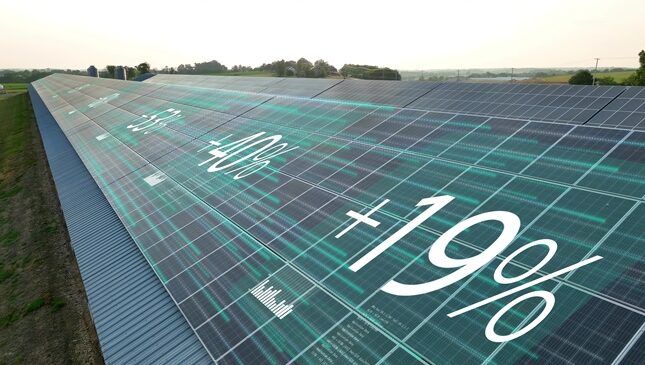
According to the latest data from the Federal Energy Regulatory Commission (FERC), in 2024, over 90% of new power generation capacity in the United States came from renewable sources. The solar photovoltaic sector alone accounted for as much as 81.5% of new installations, representing a 50% increase compared to 2023.
Green Energy Overtakes Conventional Sources
Throughout 2024, solar and wind energy added 30,816 MW and 3,128 MW of capacity, respectively. Combined with 213 MW from hydropower, 51 MW from biomass, and 29 MW from geothermal, renewable energy sources represented 90.5% of all new capacity. In contrast, conventional sources contributed only 3,552 MW, of which 2,428 MW came from natural gas and 1,100 MW from the new Vogtle-4 nuclear reactor in Georgia.
Moreover, new solar capacity in 2024 was nearly nine times greater than the combined capacity added by gas and nuclear plants. For sixteen consecutive months – from September 2023 to December 2024 – solar energy was the leading source of new power capacity in the U.S.
Solar and Wind Become Major Players
Currently, solar and wind energy together account for 21.9% of the total installed capacity in the U.S. power sector, while all renewables combined make up 31%. Notably, FERC does not include small-scale solar systems, such as rooftop installations, in its statistics. These systems represent about 30% of total solar capacity in the U.S., and their inclusion would push the share of renewables up to nearly 35%.
Just a decade ago, in 2014, solar energy accounted for only 1% of the installed capacity in the U.S. Today, it has grown tenfold. Solar (10.2% of total capacity) has already surpassed nuclear (7.8%) and hydropower (7.7%), ranking fourth after natural gas (43%), coal (15.3%), and wind (11.7%).
Solar Set to Surpass Wind and Coal
FERC’s projections indicate that by the end of 2027, the U.S. will add 116,655 MW of new renewable capacity, 78% of which will come from solar power. Meanwhile, the fossil fuel sector is expected to shrink, with projected reductions of 23,925 MW in coal capacity, 2,293 MW in oil, and 833 MW in gas. No new nuclear capacity is expected.
If these projections materialize, by 2028, solar energy will account for 16.1% of installed capacity in the U.S., surpassing both coal and wind to become the second-largest source of power generation—trailing only natural gas. Additionally, total renewable capacity could reach 37.3%, approaching the share of natural gas (40.2%).
The U.S. on the Path to Energy Transformation
Experts suggest that the current growth rate of renewables indicates that their total capacity could exceed that of gas-fired power plants within the next three years. When small-scale solar installations are included, renewables could account for more than 40% of U.S. power generation capacity.
Ken Bossong, director of the SUN DAY Campaign, emphasized that the rise of renewables is inevitable and marks the future of the U.S. energy sector. “For over a decade, renewable energy—especially solar—has dominated new power capacity additions. Any attempt to reverse this trend lacks both economic and technological justification,” said Bossong.
With this momentum, the United States is entering a new era where renewable energy will become the foundation of the power grid—bringing the country closer to decarbonization and greater energy independence.
Source: renewablesnow.com
Leave a Reply