“The decline in energy storage prices driven by innovation and new market trends”
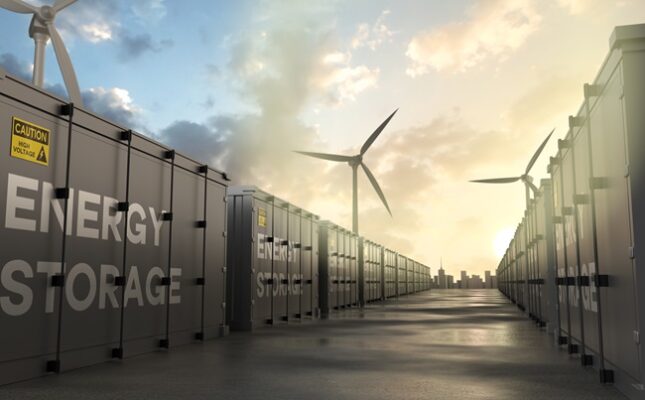
Energy Storage System Prices Continue to Decline Despite Stable Raw Material Costs
Prices of energy storage systems continue their downward trend, even though raw material values on the market remain relatively stable — according to the latest reports from Clean Energy Associates (CEA). The price drop is primarily driven by hardware innovations, such as larger battery cells and containerized designs, which enhance the energy efficiency of the systems.
Europe Faces Challenges in Building a Local Supply Chain
According to CEA analysts, hardware innovations are enabling higher energy density in storage systems, directly translating to lower unit costs. However, despite these positive developments, Europe faces significant challenges in developing a local battery supply chain. More than 40% of the production capacity planned for 2026 has been canceled, delayed, or scaled back. The main obstacles include high energy costs, permitting challenges, and declining demand for electric vehicles.
China Strengthens Global Position in Battery Production
Meanwhile, China has introduced new export restrictions on battery production technologies such as LFP (lithium iron phosphate) and other materials. The goal is to limit technology transfers abroad and strengthen its own dominance in global supply chains. Short-term supplies remain stable, but in the longer term, diversification of sources may face difficulties.
Impact of U.S. Tariffs on the Battery Market
New tariffs on Chinese battery products, introduced by the United States, are raising the cost of imported ESS systems. As a result, the price gap between Chinese and South Korean cells is narrowing. However, systems from South Korea remain more expensive, mainly due to higher production costs and reliance on Chinese raw materials (e.g., graphite or copper foil).
Declining Price Trend Confirmed by Data from Italy
In Italy, energy storage prices dropped significantly in 2024. A further, though more moderate, decline is expected in 2025.
Daniele Trabuio, Product Marketing Manager for Renewable Energy at Sonepar Italia, highlighted a market shift from the residential segment toward commercial and industrial (C&I) applications, as well as large utility-scale installations. “As early as 2024, battery prices for both residential and commercial uses began to fall slowly but steadily. This trend will continue in 2025,” he noted.
Trabuio also pointed to strategic declarations from industry leaders: the CEOs of BYD and CATL announced that, thanks to the growth in electric vehicle battery production, economies of scale could lead to price drops of up to 50%. This phenomenon will naturally also affect the prices of energy storage systems, particularly in the C&I segment.
It is worth noting that, according to a report by Aurora Energy Research, Italy is currently one of the most attractive markets for energy storage investments in Europe.
Source: cea3.com
Leave a Reply