Mexico defines the role of energy storage in the national electric system.
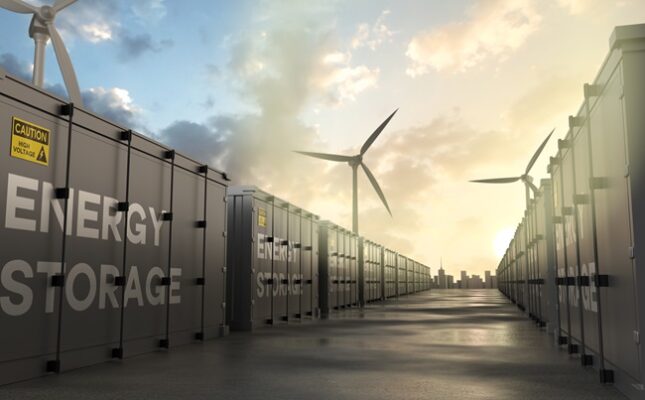
The Mexican Energy Regulatory Commission (CRE) has introduced new regulations regarding the integration of electricity storage systems (EES) with the National Electric System (SEN). This is a groundbreaking step toward modernizing the country’s energy infrastructure and increasing its stability.
New Regulatory Model for Energy Storage
According to the agreement A/113/2024, published in the Official Journal of the Mexican Federation, 8,412 MW of energy storage systems are planned to be integrated by 2038. The implementation of these regulations is crucial for the efficient use of renewable energy sources and the improvement of grid stability, especially given the increasing number of photovoltaic and wind installations.
The regulations specify that energy storage systems must be registered as power plants and represented by energy producers. This means operators can sell energy and provide system services under the same terms as other generating units.
Key Elements of the Regulation:
- The implementation of an ancillary services market, which will allow for additional revenues through energy arbitrage.
- A minimum storage duration of three hours, which is required for the system to be recognized as a power plant.
- Regulations concerning self-consumption and generation exempt from permits, aiming to encourage investments in local energy storage systems.
Five Participation Models in the Market
According to the new regulations, energy storage systems can operate under five different modes:
- EES within an isolated supply system – energy storage within power plants that operate for self-use or for the export/import of energy in an isolated mode.
- EES connected to a power plant – energy storage within units generating energy from renewable sources (RES), sharing the point of connection to the grid.
- EES integrated with a load center – energy storage systems operating at the consumer level but without the ability to send energy back to the grid.
- EES connected with so-called unlicensed generation – energy storage systems operating within small-scale RES installations, according to previous regulations for distributed generation.
- Independent EES – autonomous storage systems connected to the transmission or distribution grid.
Boost for Renewable Energy Investment
The CRE’s decision aligns with the ongoing process of approving the Electricity Sector Law. The new regulations aim to optimize the integration of energy storage systems, ultimately increasing investments in modern solutions such as smart grids and power system stabilization technologies.
The National Center for Energy Control (CENACE) and the Ministry of Energy (SENER) are responsible for implementing the changes and adjusting operational regulations and network management systems to the new reality. Collaboration between regulatory bodies, transmission system operators, and investors will be crucial for the success of the reform.
Mexico on the Path to a Modern Energy System
The introduction of these new regulations is an important step toward building a modern, sustainable, and stable electricity system in Mexico. The increased role of energy storage will allow for more efficient use of renewable energy and reduce losses associated with their variable production.
According to CRE Commissioner Walter Jiménez, these regulations will strengthen the country’s energy transition while attracting investors interested in new technologies.
It is worth noting that Mexico’s energy transformation has significantly slowed in recent years, largely due to the policies of President Andrés Manuel López Obrador, who favors state-owned enterprises like Pemex and CFE at the expense of private investments in RES. As a result, Mexico’s share of clean energy investments in Latin America fell from 35% in 2017 to just 7% in 2022, putting the country far behind regional leaders like Brazil, Chile, and Colombia. Despite official goals to achieve 35% renewable energy share in the energy mix by 2024, the actual actions of the government, including recognizing natural gas as a “clean” energy source, have undermined the effectiveness of this strategy. Currently, about 56% of Mexico’s electricity comes from natural gas, while renewables and hydroelectric power account for about 25%.
Future Prospects
The development of energy storage systems is important for the global energy transformation. In Europe and the United States, similar regulations have led to dynamic growth in investments in battery and hybrid solutions integrating RES with energy storage systems. By following this path, Mexico can not only modernize its power system but also become a regional leader in implementing innovative energy solutions.
The coming months will reveal how the market responds to the new regulations and whether the expected benefits will translate into real investments and improved grid stability.
Source: pv-magazine.com
Leave a Reply