Maryland passes groundbreaking energy storage law
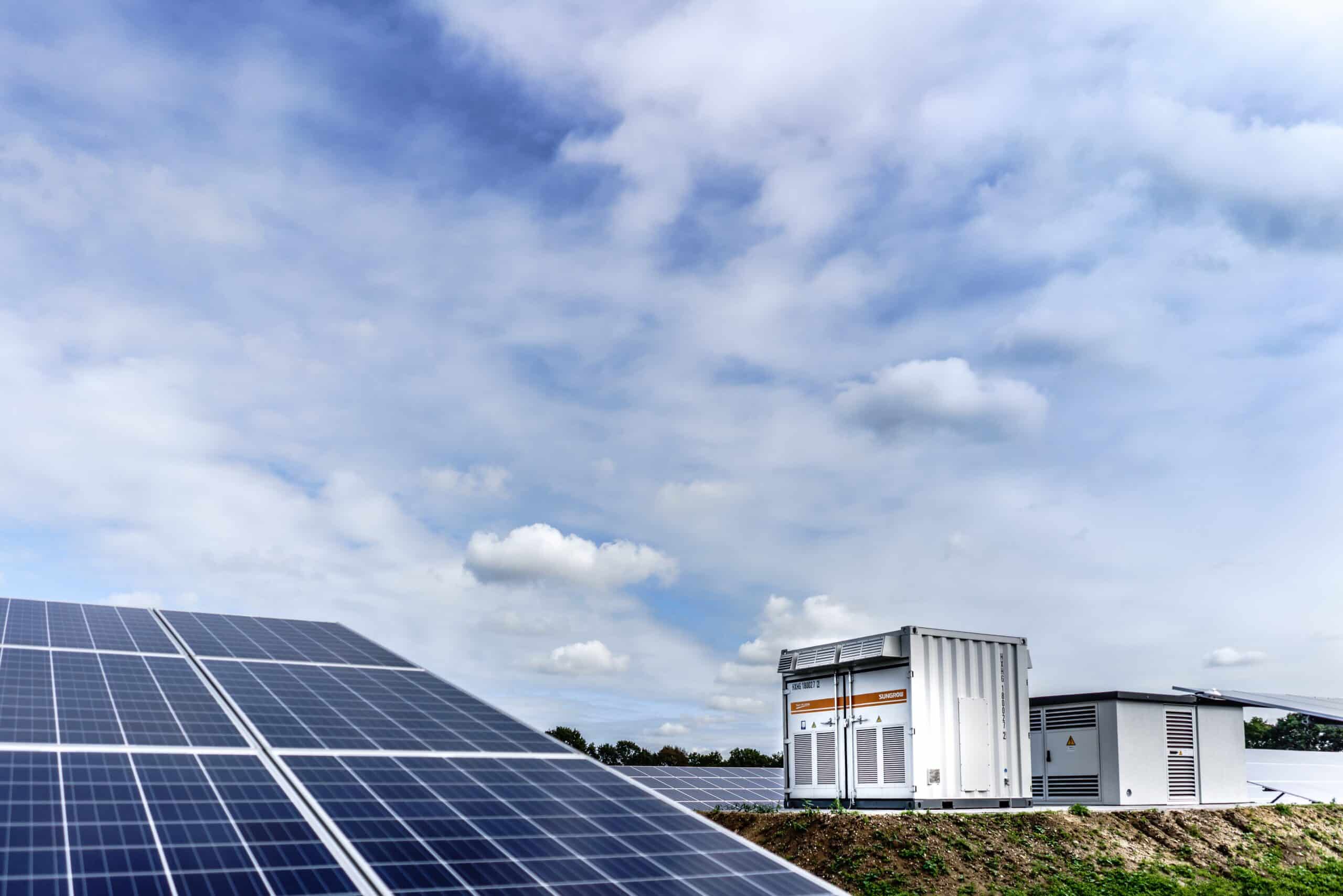
By the year 2033, Maryland (USA) is set to construct energy storage systems with a combined capacity of 3 GW. This initiative is a direct response to the increasing prevalence of residential solar panel installations.
The project was structured into three phases. By the conclusion of 2027, the installed capacity of energy storage facilities aims to reach 750 MW. This value is projected to double by 2030 and ultimately hit the targeted level by 2033.
As outlined by the ACP, the state will require a capacity of 2.5 GW to 3.6 GW to accommodate the growing proportion of renewable energy within the grid. The expansion of the energy storage infrastructure is anticipated to yield savings ranging from $74 million to $100 million by 2033.
In the previous year, Maryland elevated its comprehensive reduction goal for emissions from 40% to 61%, relative to the levels recorded in 2006. Simultaneously, it is striving to achieve carbon neutrality by 2045.
Proactive measures have already been taken by lawmakers to elevate the contribution of renewable energy sources in the energy mix. In February, they introduced legislation to provide support to homeowners interested in generating electricity through solar panels. Under these regulations, subsidies for such investments would be raised to $5,000 (a significant increase from the current $1,000 subsidy). Furthermore, there were previously tax incentives for residents with moderate incomes who invested in agrovoltaic systems.
Leave a Reply