Italy prepares 14 hydrogen trains. First test covered 170 km
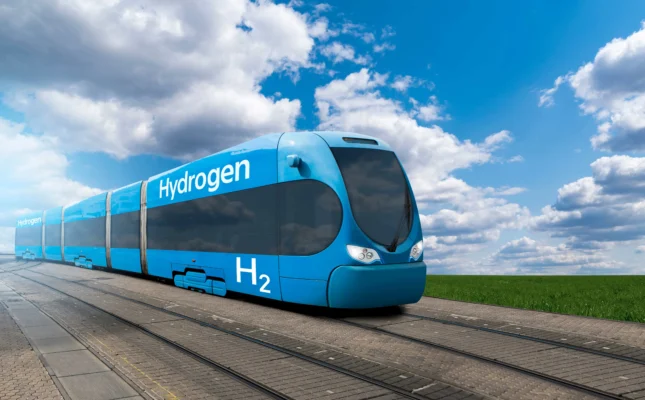
The first hydrogen train for the Brescia–Iseo–Edolo line covered around 170 km during overnight testing. This marks the beginning of trials ahead of the planned launch of regular passenger services in 2027. Ultimately, 14 trains are expected to replace diesel units on the non-electrified route in Lombardy.
First train covers 170 km in one night
Testing began on the night of September 15–16. According to the Italian Ministry of Infrastructure, at around 11:30 p.m. the Alstom HMU 214-004 train left the maintenance facility in Rovato. The tests ended at around 4:00 a.m. During that time, the train covered 170 km.
The run did not carry passengers. The purpose of the tests was to verify that the installations and onboard systems were operating correctly. This is an important step before moving on to the next stages of the approval process required for the trains to enter service.
Over the coming weeks, testing will cover the first seven trains already manufactured by Alstom. Each train must cover at least 300 km during testing. The first train will also undergo an additional series of tests covering a total of 2,000 km.
Hydrogen trains will replace the current diesel fleet
The H2iseO project involves the introduction of 14 Coradia Stream H trains manufactured by Alstom in Italy. The first seven trains have already been completed. The eighth is due to be finished by the end of 2026, while production of the remaining six is scheduled for 2028.
The new trains are ultimately expected to replace the entire diesel fleet currently operating on the Brescia–Iseo–Edolo route, which is not electrified. The operator needs an alternative to diesel multiple units. FNM says that choosing hydrogen should make it possible to reduce emissions without carrying out extensive work associated with conventional railway electrification. Such a conversion would also require prolonged disruption to infrastructure and rail services.
First trains cost €84.5 million
The project also benefits from public funding. The Italian Ministry of Infrastructure said Lombardy had been allocated €84.5 million in PNRR funding — the Italian equivalent of a national recovery plan — for the purchase of seven hydrogen trains.
The project, however, goes well beyond the delivery of rolling stock. It also includes infrastructure for hydrogen production and distribution, maintenance facilities and upgrades to selected stations.
FNM says the hydrogen production and distribution facilities in Iseo and Edolo were completed in June 2026. In the same month, Italian regulator ANSFISA issued approval allowing further stages of testing to proceed.
Passengers will travel on hydrogen trains in 2027
Once dynamic testing has been completed, the next stage of trial operations will begin. The trains will then be tested under scenarios corresponding to the line’s future normal operating conditions. Regular passenger services will only be possible once all approval procedures have been completed.
FNM expects commercial operations to begin in 2027. The project will also serve as a test of hydrogen technology on non-electrified railway lines. In Lombardy, hydrogen was chosen as a solution for a specific route that is currently dominated by diesel trains.
Leave a Reply