Germany wants to increase the share of PV installations on agricultural land
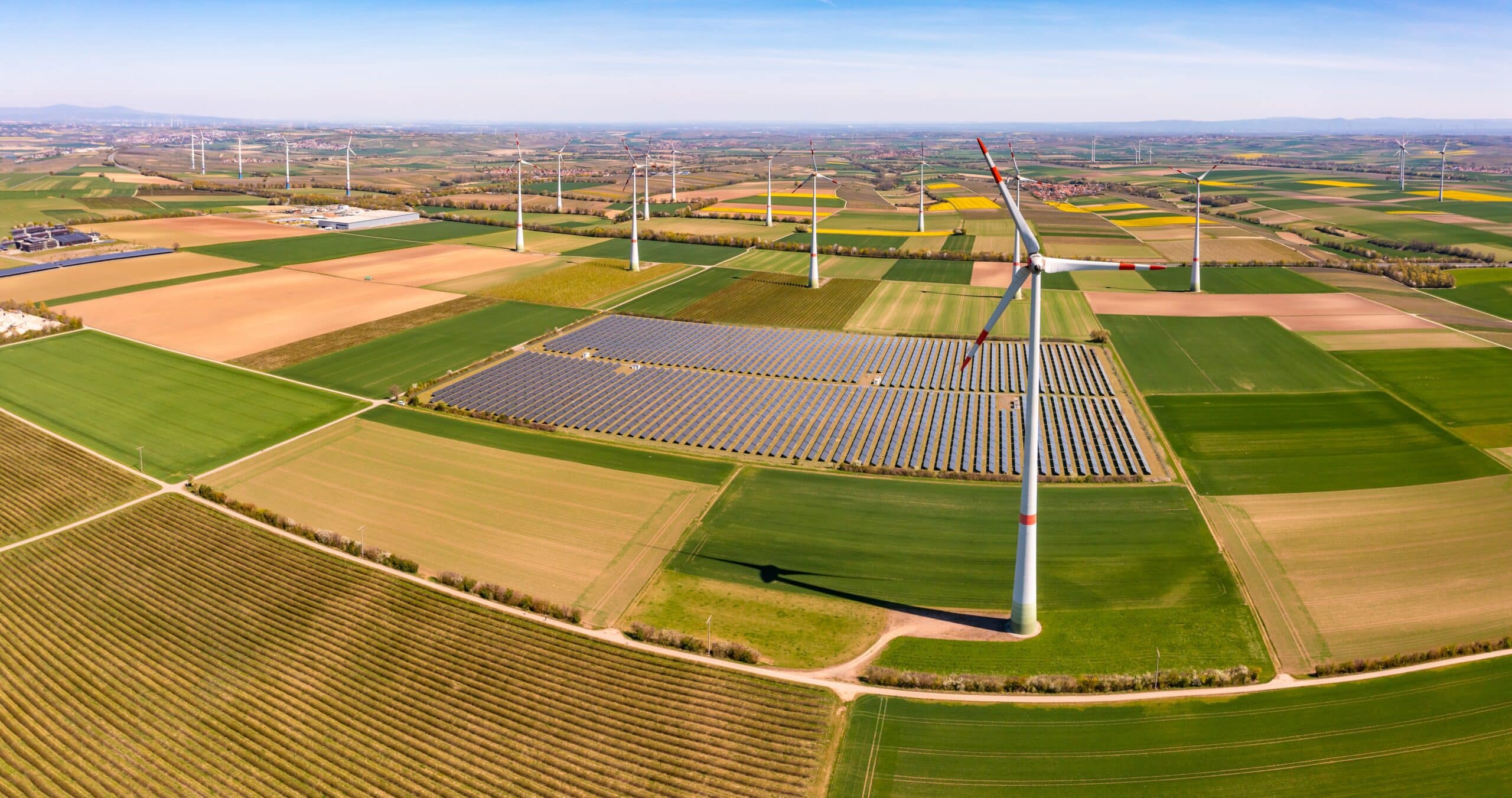
The German government has recently revealed its intention to establish solar power plants on agricultural land. This strategy is devised as a method to work towards the target of achieving a total installed capacity of 215 GW for photovoltaic (PV) systems by the year 2030. This ambitious objective represents a doubling of the installed capacity observed in 2022.
In accordance with the European Union’s Common Agricultural Policy, a requirement stipulates that 4% of agricultural land should be designated for the preservation of biodiversity. This underutilized land holds potential for the installation of new photovoltaic systems.
Daniel Holder, BayWare’s Head of Global Policy and Markets, highlights that if only 25% of this fallow agricultural land is utilized for solar installations, Germany could effectively achieve its ongoing solar expansion targets.
The German government anticipates the installation of 10 GW of solar capacity within this year. Notably, the April auction for energy contracts from photovoltaic (PV) systems experienced oversubscription, marking the first occurrence since June 2022. This serves as a clear indicator of the sector’s growth.
To facilitate this expansion, the German Federal Network Agency has raised the maximum price limit in the latest solar energy auction to EUR 74 per MWh. Consequently, the auction garnered bids for 2.9 GW of capacity, with 2 GW of available contracts being awarded.
Staffing problems in the RES sector
Renewable energy project developers in Germany are grappling with a shortage of skilled personnel. Addressing this challenge, the German government recently revealed a strategy that includes support for training individuals in various aspects of photovoltaic (PV) installation, encompassing production, project planning, and maintenance.
In 2021, German solar companies had approximately 87,000 individuals employed within the solar sector. However, a study conducted by the German organization KOFA highlights a significant shortage of around 216,000 skilled workers in both the solar and wind energy sectors. This deficit underscores the pressing need for initiatives aimed at bolstering the workforce in these critical industries.
Source: Reuters
Leave a Reply