Germany is Closing Its First Offshore Wind Farm Ahead of Schedule: Is This the End of an Era?
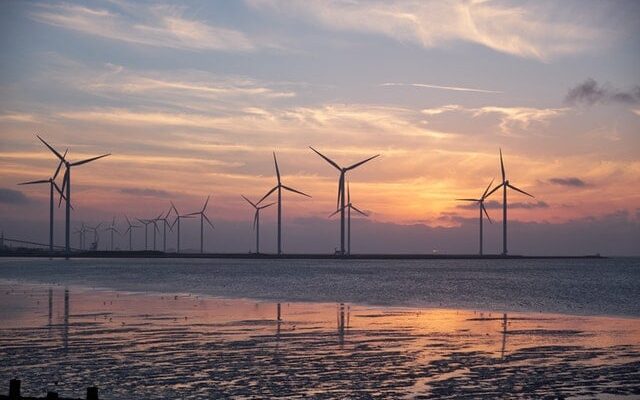
Germany’s First Offshore Wind Farm in the North Sea to Be Dismantled Ahead of Schedule
For years, wind energy has been considered one of the pillars of the energy transition in Europe. The North Sea, with its stable and strong winds, plays a key role in this process by supporting the efficient generation of renewable energy. Germany, as one of the leaders in green energy, has long been focused on developing offshore wind farms, seeing great potential for the future. However, unexpectedly, Germany’s first offshore wind farm, located in the North Sea, will be shut down much earlier than originally planned. According to available information, investors and operators have decided to dismantle it before the planned end of its operational lifespan.
The Birth of Germany’s First Offshore Wind Farm in the North Sea
Germany’s first offshore wind farm was meant to symbolize the beginning of a new era in the country’s energy sector. Located in the North Sea, it became not only a showcase of Germany’s commitment to renewable energy but also a testing ground. It provided a unique opportunity to evaluate how wind turbines perform in harsh marine conditions, assess the servicing process on such a challenging site, and determine whether the investment costs would be justified in the long run.
Numerous companies and research institutions were involved in the farm’s construction. Its mission was not just to generate energy but also to test the real capabilities of wind technology in the tough climate of the North Sea. The project aimed to monitor the efficiency and durability of turbines, compare them to land-based models, and extract valuable insights for the further expansion of offshore wind energy.
Initial Assumptions and Hopes for the Project
According to the original plan, the farm was supposed to operate for about twenty years, until approximately 2030. This long lifespan was based on technological calculations, considering mechanical loads, the need for minor upgrades, and regular maintenance work. It was anticipated that the turbines would maintain high efficiency through scheduled inspections and replacement of the most wear-prone parts.
While the wind farm did indeed serve as a pioneering venture, over time, problems typical of advanced technologies deployed in unfavorable conditions began to emerge. The difficult-to-access location meant that any failure required specialized service units and favorable weather conditions. Storms, delivery delays, and complex logistics often resulted in high maintenance costs.
Challenges from Rapid Technological Change
Another challenge came from the rapid technological advancements in the wind energy sector. At one point, operators faced the problem of a lack of components necessary for the continued operation of older turbine models. Combined with increasing efficiency demands and greater competition from newer installations, this led to rising maintenance costs.
Industry Reactions and Future Lessons
The decision to dismantle the farm has attracted attention not only in Germany but also in the international renewable energy market. Experts note that it is crucial for currently implemented offshore wind farm projects to be not only efficient at the time of launch but also resilient to future technological and logistical challenges.
The wind industry is developing rapidly—turbines with increasingly larger blade diameters and more powerful generators allow for the construction of installations requiring fewer towers while increasing energy production. This marks significant progress compared to the earlier wind farm units, which are now considered outdated. New solutions are also emerging in the area of turbine servicing and access, including specially adapted vessels enabling quick and safe repairs on the open sea.
Dynamic Development
The story of Germany’s first offshore wind farm in the North Sea clearly shows the importance of continually modernizing solutions in the renewable energy sector. The early closure of this project is also a symbol of technological advancement—wind farms from several years ago are no longer competitive or as efficient as today’s installations.
The fate of this pioneering installation serves as a reminder to all involved that long-term plans must take into account inevitable technological progress. The dismantling of Germany’s first offshore wind farm will undoubtedly be remembered as a milestone—marking the end of an era and the beginning of a new one, in which flexibility and the ability to adapt project assumptions to rapidly changing market realities will be key to success.
Source: money.pl
Leave a Reply