European Union Suspends Sanctions on Syria in the Energy Sector
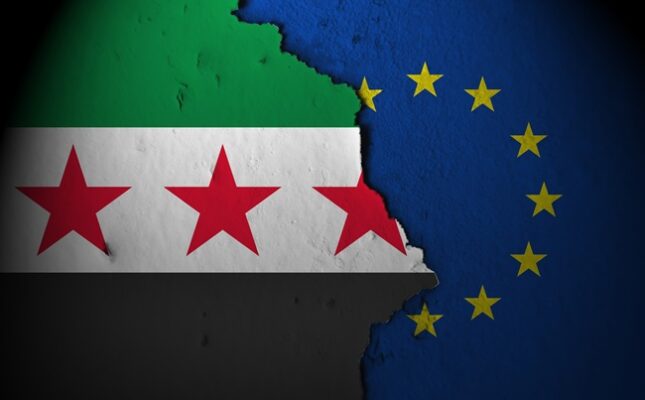
EU Temporarily Lifts Sanctions on Syria to Support Economic Stabilization
On February 24, 2025, European Union foreign ministers decided to temporarily suspend most of the sanctions imposed on Syria. This move responds to political changes in the country following the ousting of President Bashar al-Assad and aims to support the reconstruction and stabilization of Syria’s economy.
Conditional Decision by the EU
High Representative for Foreign Affairs and Security Policy, Kaja Kallas, emphasized that the decision is conditional – if the situation in Syria worsens, the EU is ready to reinstate the previous restrictions.
Which Sanctions Have Been Lifted?
The suspension of sanctions includes key sectors of Syria’s economy: energy and transport. This allows the possibility of resuming cooperation in areas like oil extraction, natural gas, and electricity production. The restrictions on financial transactions between Syrian and European banks have also been lifted, facilitating projects in these sectors and aiding the country’s infrastructure reconstruction.
Before the civil war began in 2011, Syria was an important oil exporter, with oil revenues accounting for about one-third of the state’s budget. The country extracted around 8-9 million cubic meters of gas per day, covering around 30% of domestic energy needs. Rebuilding the energy sector is crucial for Syria’s economic and social stability, as access to electricity is vital for industries, transportation, and public services.
What Sanctions Remain in Effect?
Despite the easing of restrictions in the energy and transport sectors, the EU has maintained sanctions on the trade of arms, surveillance equipment, and antiques. These sanctions aim to prevent human rights violations and protect Syria’s cultural heritage. Individual sanctions on people associated with the previous regime remain in place to hold them accountable for past actions.
International Reactions
The EU’s decision has received mixed reactions internationally. Industry media reports that some countries, upon hearing about the suspension of sanctions, expressed concerns about Syria’s political stability and the potential misuse of lifted sanctions for purposes inconsistent with international standards. On the other hand, some countries supported the EU’s move, seeing it as an opportunity to speed up the reconstruction and stabilization of the region.
In its statement, the EU committed to ongoing monitoring of the situation in Syria and assessing the impact of the suspension of sanctions. If the rebuilding process does not meet expectations or if human rights violations occur, previous sanctions may be reinstated. The EU’s decision reflects the flexibility of its foreign policy and its readiness to respond to changing circumstances in the Middle East.
Opportunities and Risks for European Companies
The suspension of sanctions opens new opportunities for European companies interested in investing in Syria. The reconstruction of energy and transport infrastructure will require significant financial and technological investments, which could present an attractive opportunity for EU businesses. However, companies must proceed with caution, as the political situation in Syria remains unstable, and the potential reinstatement of sanctions could result in financial losses for investors.
On a global scale, the return of Syrian oil and gas to international markets may affect the prices of energy commodities and alter the balance of power in the region. However, rebuilding Syria’s energy sector requires significant investment and political stability, which may pose challenges in the coming years.
The EU’s decision to suspend part of the sanctions on Syria in the energy and transport sectors is a step toward normalizing relations with the country and supporting its recovery after years of conflict. However, further actions on this matter will depend on the progress in the political process and adherence to international human rights standards by the new authorities in Damascus.
Sources: reuters.com