Australia Invests in Offshore Wind – 3.2 GW at Feasibility Study Stage
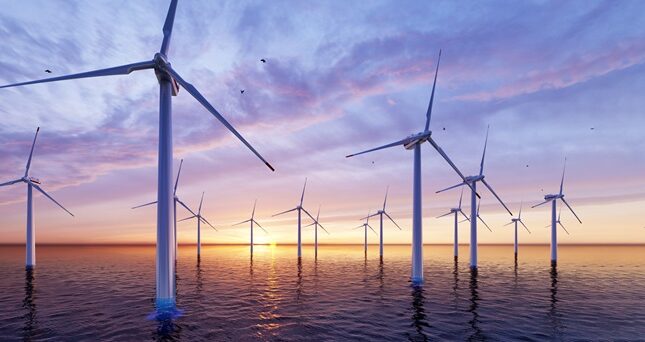
Australian Government Approves Major Offshore Wind Projects
The Australian federal government has made an important decision regarding the development of offshore wind energy. Last week, the government awarded seven-year licenses for feasibility studies for two large offshore wind projects. Experts highlight that this decision is a significant step toward Australia’s energy transition.
Details of the Spinifex and Novocastrian Wind Projects
Spinifex Offshore Wind is a project to be developed off the coast of Victoria in the Southern Ocean region. The wind farm, with a planned capacity of 1.2 GW, will occupy an area of 265 km² in Victoria’s offshore zone. The project is being undertaken by a consortium consisting of the Australian company Alinta Energy and the Belgian developer Parkwind, specializing in wind energy. The planned energy production will meet the needs of approximately 650,000 households, which represents nearly 10% of Victoria’s current energy demand. A key aspect of the project is the aim to provide fully renewable energy to the Portland aluminium smelter, significantly contributing to the decarbonization of the local industry.
The second project, Novocastrian Wind, will be located in the Hunter region of New South Wales and will be even larger, with a planned capacity of 2 GW. The estimated cost of the investment is 10 billion Australian dollars (around 6.22 billion USD or 6 billion EUR). This project is being developed by the Norwegian company Equinor ASA in collaboration with the New Zealand company Oceanex Energy. Novocastrian Wind is expected to provide electricity for 1.2 million households, greatly enhancing the region’s energy security and contributing to CO₂ emissions reduction.
Both projects are part of Australia’s broader strategy to increase the share of renewable energy in the country’s energy mix. The realization of the Spinifex and Novocastrian Wind projects will also contribute to creating new jobs in the construction, renewable technology, and engineering sectors.
Steps Toward Project Implementation
The granted licenses allow investors to conduct essential analyses needed for the final investment decision. During the research phase, companies will carry out:
- Environmental studies to assess the potential impact of the wind farms on marine ecosystems,
- Public consultations to involve local residents and stakeholders in the decision-making process,
- Administrative approval procedures to enable future applications for commercial licenses for the construction and operation of the installations.
While construction is still some way off, this marks a significant success in the global renewable energy market.
Source: renewablesnow.com
Leave a Reply