Another energy storage system in place of a decommissioned coal power plant. This time in Australia
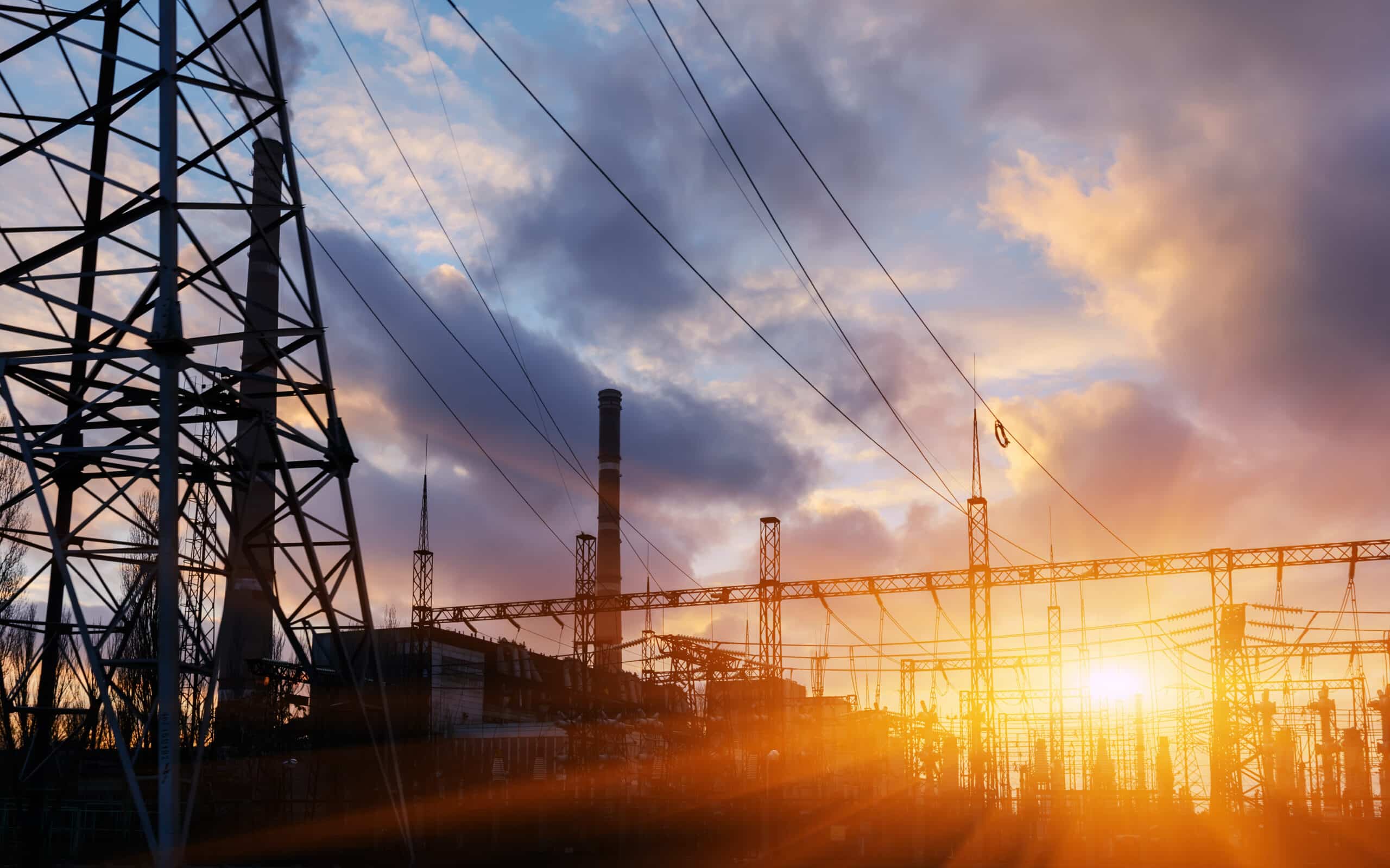
The collaboration between Engie, Eku Energy, and Fluence has resulted in the establishment of a remarkable energy storage system boasting a capacity of 150 MW. This facility has been constructed at the location of the retired Hazelwood coal power plant. Notably, it holds the distinction of being Australia’s largest privately funded energy storage project. This development showcases the transition towards sustainable energy solutions by repurposing a former coal plant site for advanced energy storage technology.
The energy storage facilities have been supplied and will be managed by the American company Fluence. This project marks the debut of the Gridstack battery system, specifically designed to cater to the most demanding energy installations. The system is equipped with flexible peak capacity and adjustable frequency capabilities.
While the current capacity of the facility stands at 150 MWh, the investors believe that it holds significant potential for future expansion. Located in the state of Victoria, where substantial renewable energy capacity exists, the project is well positioned for growth.
Marija Petkovicm, the founder of Energy Synapse, noted that the commissioning of the Hazelwood system has added Australia’s first gigawatt of installed energy storage capacity to the nation’s energy landscape.
More investments on the way
The Victoria project indeed marks just the beginning of a wave of such investments. In the Latrobe Valley, construction is underway for a 200 MW/800 MWh energy storage facility set to replace the Loy Yang power plant. EnergyAustralia also has plans for a 350 MW/1.4 GWh system at the Yallourn coal-fired power plant, which is slated for decommissioning by mid-2028.
These developments will play a crucial role in connecting planned offshore wind farms in the Gippsland coastal waters, with a total capacity of 2.2 GW. Victoria has set ambitious targets, aiming for 2.6 GW of energy storage capacity by 2030 and an even larger 6.3 GW by 2035.
This transition from power plants and coal mines to energy storage facilities is a growing trend worldwide. A similar investment was recently highlighted in Hawaii, indicating a broader global shift towards cleaner and more sustainable energy solutions. For more details on the Hawaii project, you can find the article HERE.
Leave a Reply