Hywind Tampen – the largest floating wind farm
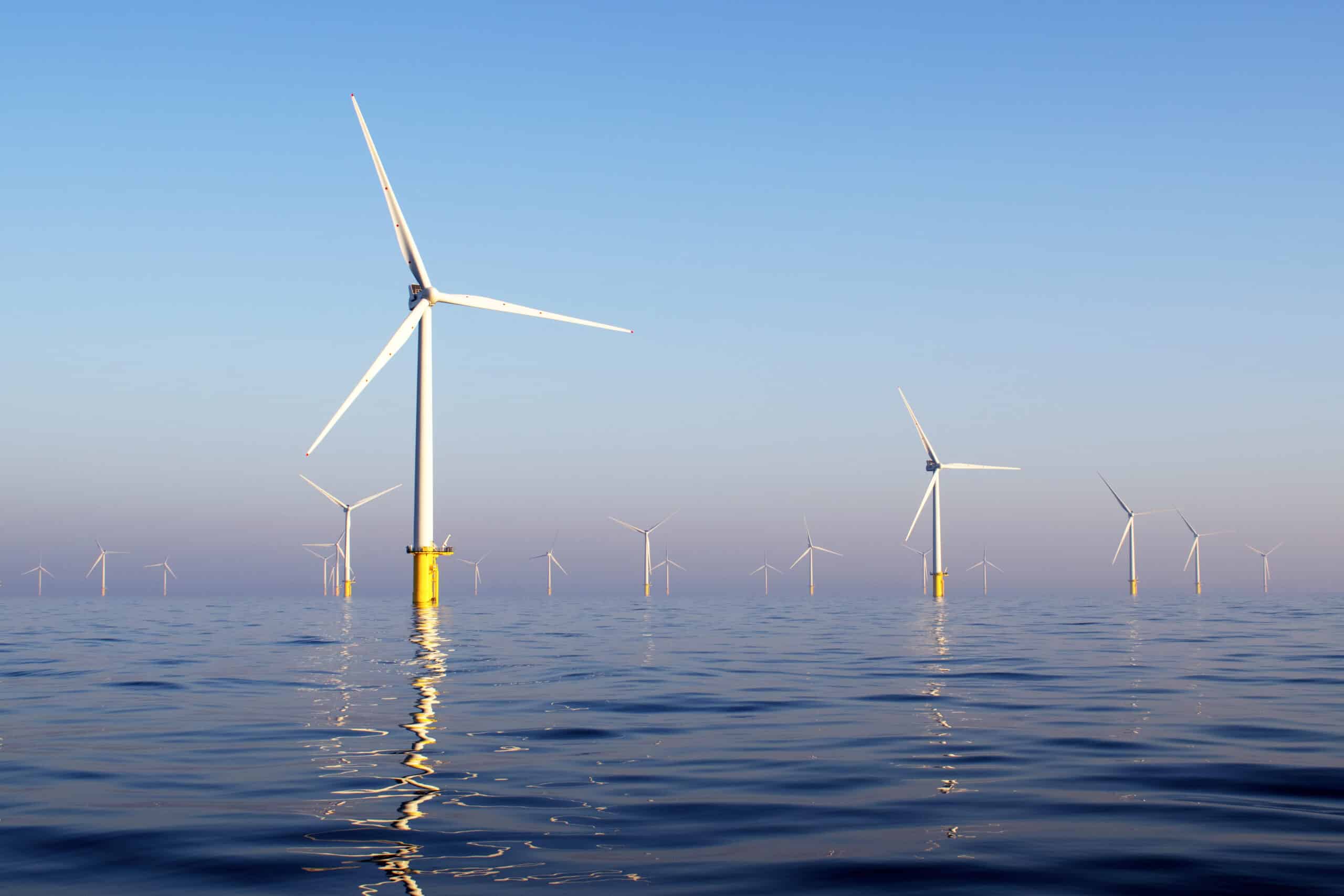
On August 30, 2022, the Norwegian oil and gas company Equinor proudly announced the successful completion of the construction of Hywind Tampen, the most extensive floating wind farm in its history. This remarkable achievement has also solidified Hywind Tampen’s position as the largest facility of its kind globally.
The largest floating wind farm
Hywind Tampen is comprised of eleven floating turbines, each boasting a capacity of 8 MW. With a combined capacity of 88 MW, this installation stands as the largest floating wind farm worldwide.
According to Equinor’s website, once fully operational, the Hywind Tampen farm will represent nearly half (47%) of the total installed capacity of all floating wind farms globally. This significant milestone contributes to the advancement of solutions and the reduction of costs for future offshore wind energy projects.

Hywind Tampen project progress
While the announcement of construction completion was made on August 30, 2022, it’s important to note that tests are still ongoing. As per information from Equinor, the first 7 turbines are set to be operational in 2022, followed by an additional 4 in the first half of 2023.
What role will Hywind Tampen play?
Indeed, the concept of expanding renewable energy sources is generally seen as a positive development. However, the intriguing aspect of this project is that the renewable energy installation is primarily intended to supply power to oil and gas extraction facilities. Hywind Tampen stands as the world’s first floating wind farm aimed at energizing offshore oil and gas platforms.
According to the announcement made on August 30, 2022, this facility is designed to provide power to offshore drilling and gas platforms situated in the North Sea, strategically located near the Snorre and Gullfaks fields where oil and natural gas production takes place. This placement is not arbitrary, as Equinor, the developer of the Hywind Tampen project, is also responsible for the operations in this region.
Is this good news?
The investment in the Hywind Tampen wind farm presents a complex picture. On one hand, it reflects Norway’s commitment to continuing oil and natural gas extraction in the foreseeable future. On the other hand, it suggests Equinor’s ambition to carve a significant place for itself in the renewable energy market. This endeavor represents a notable challenge for a company that has traditionally concentrated on fossil fuels, but it signifies a positive shift in the industry.
The scale of the investment and its intended purpose underscore the substantial energy requirements associated with hydrocarbon extraction. Unfortunately, it’s not feasible to abruptly phase out these activities, but Equinor’s investment reflects a step in the right direction.
The Hywind Tampen wind farm will generate energy to cover approximately one-third of the energy needs of the oil and natural gas production installations. This substantial contribution is expected to result in a reduction of roughly 220,000 tons of carbon dioxide emissions and 1,000 tons of nitrogen oxide emissions per year (estimated figures). This reduction in greenhouse gas emissions is undoubtedly a favorable development.
Sources:
Equinor
MyNorway
Leave a Reply