China will develop a renewable energy recycling plan
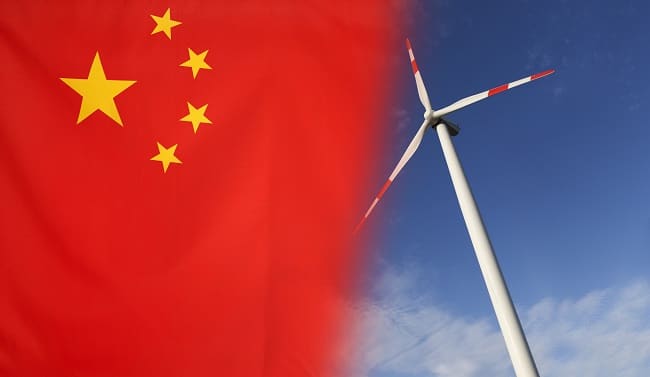
China is set to establish a fresh recycling system designed for used wind turbines and photovoltaic modules, as many existing systems in the country are approaching the end of their operational life. It is anticipated that by 2030, China will need to recycle more than 1.5 million tons of photovoltaic modules.
China faces the task of decommissioning a substantial amount of renewable energy infrastructure by 2040, including 250 gigawatts of photovoltaic modules and 280 gigawatts of wind turbines. Disposing of these materials in landfills could potentially lead to soil and groundwater contamination, while incineration may result in the release of substantial greenhouse gases and toxic substances.
New rules and challenges
Numerous Chinese institutions, including the National Development and Reform Commission, are collaborating to establish fresh regulations and standards governing the dismantling and recycling of wind and photovoltaic installations. Their objective is to establish a fully developed recycling system for wind turbines and solar panels by the year 2030.
A significant challenge in this endeavor lies in the fact that earlier generations of renewable energy equipment lacked the same sustainability focus as more recent models. Recycling crucial components, such as aging turbine blades, will necessitate unconventional technological solutions.
First actions
Companies within the renewable energy sector are placing growing emphasis on sustainable practices. A Chinese original equipment manufacturer (OEM) specializing in wind turbines recently unveiled large-format blades crafted primarily from recycled materials.
China is not alone in its shift toward recyclable components. RWE, for instance, has recently incorporated these elements into two offshore wind farms, located in the UK and the German part of the North Sea. Additionally, Denmark’s largest offshore wind farm will feature turbine blades designed for future recycling, with Siemens Gamesa being responsible for their production.
Leave a Reply