From Electric Cars to Padel Courts and Apple Sorting Facilities: A Second Life for Batteries in Energy Storage
French startup Battwoo uses second-life batteries from electric vehicles to build stationary energy storage systems. The solution is designed for the commercial and industrial sectors. It can reduce battery purchase costs by 30% and extend their lifespan to as much as 30 years.
EV Batteries Find a Second Life in PV Energy Storage Systems
Every year, thousands of electric vehicle batteries reach the end of their first life cycle. However, they still retain between 70% and 80% of their original capacity. Battwoo purchases these batteries from specialised partners and subjects them to thorough diagnostics.
Modules with more than 80% remaining capacity are sent to the company’s facility in Madrid. There, they are refurbished and assembled into stationary BESS systems. The main benefits of reusing batteries include:
- Lower cost – a 500 kWh energy storage system is 30% cheaper than a new equivalent.
- Lower carbon footprint – it falls to 25% of that of a new battery.
- High performance – the batteries can operate at up to 4 cycles per day.
- Safety – testing in accredited laboratories ensures full cell traceability.
Padel Courts and Fruit Cold Storage Facilities
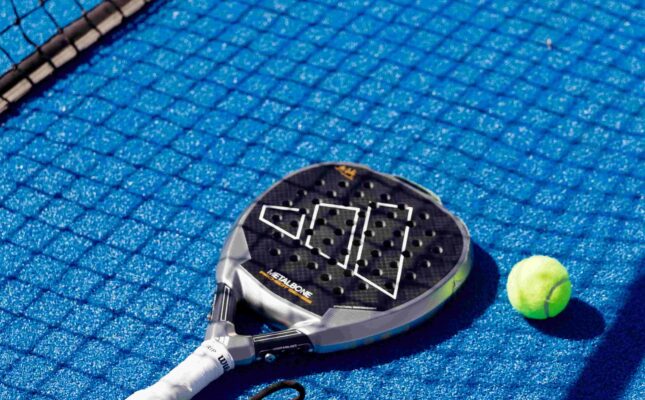
The startup is successfully rolling out its first commercial projects in the French market. In the Hauts-de-France region, a system has been integrated into the infrastructure of a padel club. The 350 kWh storage system – made up of 56 modules sourced from 5 electric vehicles – works alongside a 250 kW photovoltaic installation. It stores energy during the day and powers the court lighting in the evening.
Meanwhile, at the Les Fruits de Saint-Aubin fruit cooperative, a 350 kWh battery supports the operation of cold storage facilities and apple sorting lines. The solution significantly increases the self-consumption of solar energy and reduces the facility’s operating costs.
The company is currently focusing on projects with capacities below 500 kWh. In the next phase, it plans to build much larger systems with a power output of 2 MW and storage capacities of up to 3 MWh.
Leave a Reply