The crisis in the Persian Gulf is driving the energy storage market in Europe
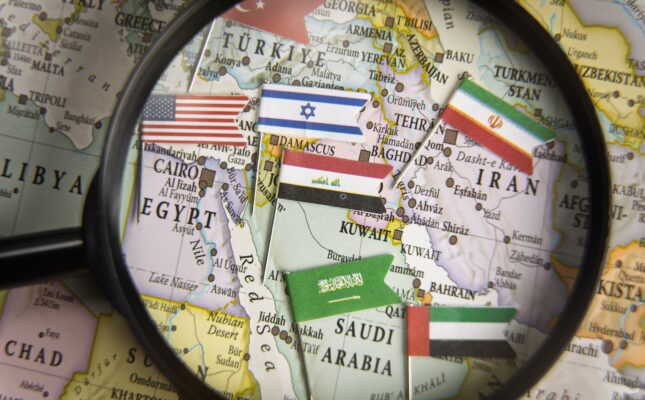
The war in the Middle East and attacks on LNG infrastructure in Qatar have triggered a structural shock in the European energy market. According to a Pexapark report, March 2026 saw record activity in the storage sector. During this period, PPA contracts totaling more than 1.3 GWh were signed. Investors are turning to batteries as protection against gas price volatility, which continues to dictate conditions on EU wholesale markets.
Geopolitics is redefining the fundamentals of the gas and energy markets
The initial logistical disruptions in the Strait of Hormuz have given way to a far more serious threat — the destruction of production capacity at the Ras Laffan complex, responsible for nearly 20% of global LNG supply. Experts estimate that rebuilding this infrastructure will take 3 to 5 years, effectively eliminating any scenario of gas oversupply this decade. For Europe, this means a lasting erosion of supply fundamentals and rising prices in forward contracts such as CAL28 and CAL29.
Since natural gas remains the marginal technology (setting the marginal price), its high costs directly translate into more expensive electricity. In Germany, gas determines market prices for around 45–55% of the time, making the market extremely sensitive to developments in the Persian Gulf. The situation is different in Spain, where gas has influenced electricity prices in only about 15% of hours in 2026 so far.
Energy storage as the main beneficiary of market volatility
High prices and rapid fluctuations have dramatically increased the economic attractiveness of BESS systems. Growing spreads between demand valleys and peaks create ideal conditions for arbitrage, as confirmed by Pexapark’s March data. The company recorded contracts for projects totaling 663.5 MW of power and 1,327 MWh of capacity.
Among the most notable transactions last month:
- United Kingdom – Matrix Renewables signed a two‑year agreement with EDF for a system of an impressive 500 MW / 1000 MWh.
- Germany – Münch Energie and Suena finalized two two‑year contracts for projects with a combined capacity of nearly 300 MWh.
- Netherlands – Energy Solutions Group concluded an agreement for a 15 MW / 30 MWh unit.
A defining feature of March is the trend toward short‑term, two‑year contracts, allowing investors to maintain flexibility in an extremely dynamic environment. New business models are supported by regulatory innovations such as Germany’s flexible grid‑connection agreements, which redefine risk allocation between developers and grid operators.
Leave a Reply