The EU agrees to a precedent: Northvolt with EUR 902 million in support from the German government
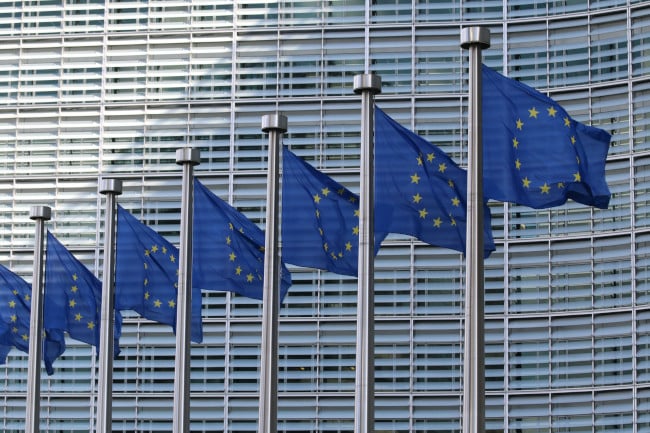
On January 8, the European Union and the German government reached an agreement to jointly fund the construction of the Northvolt battery factory. The German government will contribute EUR 902 million, with the overall investment cost amounting to EUR 4.5 billion.
The upcoming gigafactory, named Northvolt Drei, marks the third major investment by the company. The initial facility is situated in Sweden, and the second one is located in Gdańsk, in our country. Positioned in Heide, near Hamburg, the new plant is set to employ 3,000 individuals, with recruitment already underway and staff being sourced internationally. Northvolt Drei is projected to manufacture batteries with a collective capacity of around 60 GWh annually. Given that the average electric car battery ranges from 60 to 100 KWh, the factory anticipates supplying batteries for approximately one million vehicles within its first year of operation. This substantial production capacity is expected to significantly impact Northvolt’s competitors in the European market.
Controversies surrounding public support
Hence, the recent approval by the European Commission for the co-financing of the German government’s investment has stirred controversy within the European media. Germany secured this approval through the revised regulations of the Temporary Crisis and Transition Framework (TCTF) process. These amended provisions allow for increased support, especially in situations where there is a perceived risk of relocating the investment outside the European Union. According to a statement on the LinkedIn profile of a Northvolt representative, this marks the first instance of such extensive public support under the TCTF processes, emphasizing its significant role in bolstering the European battery ecosystem. Commencing in April of the current year, the European Commission officially endorsed Germany’s investment support under state aid on Monday, January 8.
Northvolt support or loss of investment?
The EU decided to co-finance the Northvolt battery factory investment because it believes producing zero-emission devices is crucial for both the economy and society. This decision reflects the EU’s commitment to supporting initiatives that contribute to environmentally friendly technologies, aligning with their goal of promoting sustainability and addressing environmental concerns.
We have just approved under State aid rules:
🔋 €2.9 billion of a French scheme supporting the production of batteries, solar panels, wind turbines and heat-pumps.
🔋 €902 million from Germany to Northvolt, a Swedish battery producer to build a gigafactory for the production of… pic.twitter.com/cwD9fd8QW6— European Commission (@EU_Commission) January 8, 2024
The potential risk of Northvolt establishing its next factory outside Europe was indeed substantial. Notably, both the Canadian and American governments extended public assistance for the construction of the twin factory in 2023, with the Canadian government securing the bid by supporting the construction near Montreal with a substantial amount of $1.34 billion.
Leave a Reply