1,000 MW battery energy storage system to be built in India
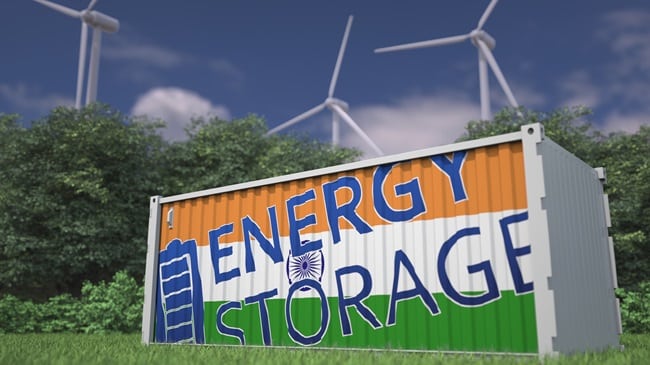
The Solar Energy Corporation of India (SECI) has issued a tender to build 1000MW/2000MWh of battery energy storage systems (BESS). This is the largest project ever by a state-owned company in India for standalone BESS resources.
Groundbreaking tender in India
On June 26, 2024, a tender for a BESS solution provider was announced. The selected bidder will be responsible for creating an energy storage system, including land identification, installation, and providing permits and infrastructure for interconnection with the ISTS network. The ordering party allows flexibility in storage technology as long as it meets the performance criteria specified in the RfS and BESPA documents.
SECI requires potential contractors to provide several documents, including a bank guarantee for the security deposit, detailed work schedules, a contract for the supply of materials, or a certificate from financial institutions confirming the entity’s economic capacity to complete the project. The investment is expected to be completed within 18 months from the contract signing date. The SECI initiative aims to increase the network’s stability and reliability by integrating advanced energy storage solutions.
India is focusing on energy storage
According to a document by the Central Electricity Authority (CEA), India has no plans to build new coal-fired power plants. The country’s energy strategy focuses on renewable energy solutions. By 2030, 500 GW of renewable energy is to be built (in mid-2023, there were 170 GW).
The most popular green technologies currently used are hydroelectric power plants (over 46 GW of capacity), photovoltaics (67 GW of capacity), and wind farms (42 GW of capacity). The document also includes plans for energy storage systems. Their growing importance is evident in decisions issued, tenders initiated, and installations launched. Early in the year, India’s largest battery energy storage system with a capacity of 152 MWh was put into operation. The new order for a BESS with a capacity of 1000 MW aligns with this trend.
Source: saurenergy.com
Leave a Reply