Turbines accelerate. Europe can achieve its 2030 wind energy targets
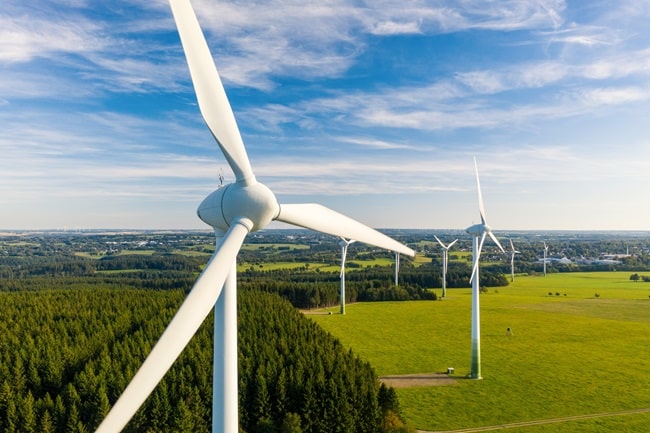
The organization WindEurope has released a report titled “Wind Energy in Europe.” According to the report’s data and predictions, the European Union’s goal for wind energy by 2030 is achievable. This progress is attributed to the streamlining of administrative permits and the supportive political changes outlined in the European Wind Charter.
Over 16 GW of new wind energy capacity installed in 2023
Over the past year, wind capacity in the European Union has surged by 16.2 GW. The majority, 79%, of this increase came from onshore installations, with a remarkable 3.8 GW installed in offshore wind farms, setting a new record. Germany, the Netherlands, and Sweden led in investment, driving significant progress. Despite this, wind power only accounted for 19% of the EU’s energy mix in 2023, indicating that more substantial growth is needed to meet the targets set for 2030.
Optimistic forecasts for the coming years
The report provides forecasts for new wind installations from 2024 to 2030. By analyzing ongoing projects, announced agreements, permits issued, and government auction volumes, the authors estimate that the EU will install an average of 29 GW of wind energy capacity annually during this period. This trajectory is expected to result in a total capacity of approximately 393 GW in the wind energy sector by 2030, aligning closely with the set climate and energy targets. Currently, investments in onshore projects are projected to grow at the fastest rate. However, towards the end of the decade, there will be a dynamic increase in the number of offshore wind installations.
Changes in law are the driving force of wind energy
In 2023, Europe saw a significant rise in permits issued for new onshore wind farms compared to previous years, with Germany and Spain experiencing a remarkable increase of up to 70% over the previous year. Encouraging signals also emerged from France, Greece, Belgium, and Great Britain. This improvement is attributed to more liberal regulations, reduced market uncertainty, and easing inflationary pressures, indicating a positive shift in the wind energy landscape across the EU.
In the context of this progress, Poland is currently engaged in drafting a wind farm law, with consultations ongoing with industry stakeholders. It is anticipated that restrictions on onshore wind energy will be lifted by June, with a proposed final distance requirement of 500 meters from buildings. Deputy Minister of Climate and Environment Miłosz Motyka highlights the importance of noise standards, stating that research and analyses support this distance as ensuring adequate peace.
Source: windeurope.org
Leave a Reply