The Czech Republic has received consent from the European Commission to finance a nuclear power plant
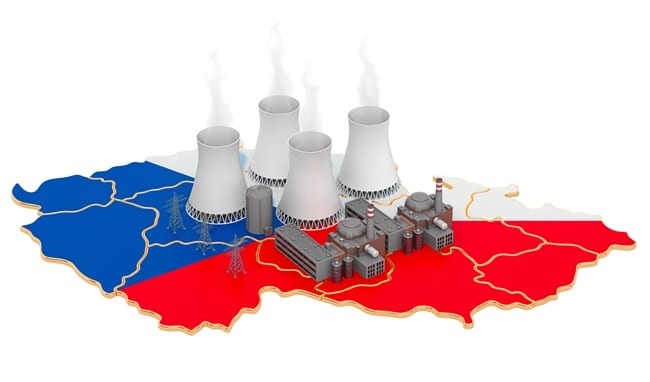
The Czech project known as Dukovany II Power Plant is scheduled for completion by 2036, with the 1,200 MW reactors anticipated to commence commercial operation in 2038. A Special Purpose Vehicle (SPV) company, established specifically for this venture, will be tasked with overseeing the energy supply.
The Czech approach to nuclear projects differs from Poland’s strategy, which began by selecting a technological partner. In March 2022, our southern neighbor requested the European Commission to evaluate plans for expanding the current Dukovany Nuclear Power Plant.
The discussions with the EC stretched over two years. Throughout the negotiations, Brussels pushed for the Czech Republic to shorten the duration of direct support tied to the price of electricity generated by the new nuclear unit. The Czechs acquiesced to this proposal, agreeing that this mechanism would be in effect for 40 years instead of the originally planned 60 years.
Financing under a contract for difference
According to an announcement on the European Commission website, the Czech Republic has endorsed the adoption of an electricity settlement formula resembling a “contract for difference” (CfD). In simple terms, if the contracted price exceeds the market price, the power plant will receive additional payment; if the market price exceeds the contracted price, the plant will cover the difference.
This approach, as stated by the EC, aims to minimize market distortions, prevent the displacement of renewable energy sources, and facilitate the power system’s decarbonization.
Furthermore, it was agreed that at least 70% of the electricity generated by the nuclear unit will be traded on the power exchange, while the remainder can be sold via energy auctions.
The project will also benefit from a subsidized state loan to cover a significant portion of construction costs, along with a safeguard mechanism to mitigate unforeseen events or policy changes that could hinder project implementation.
Source: ec.europa.eu
Leave a Reply