Scientists have invented a new type of battery. A revolution in energy storage?
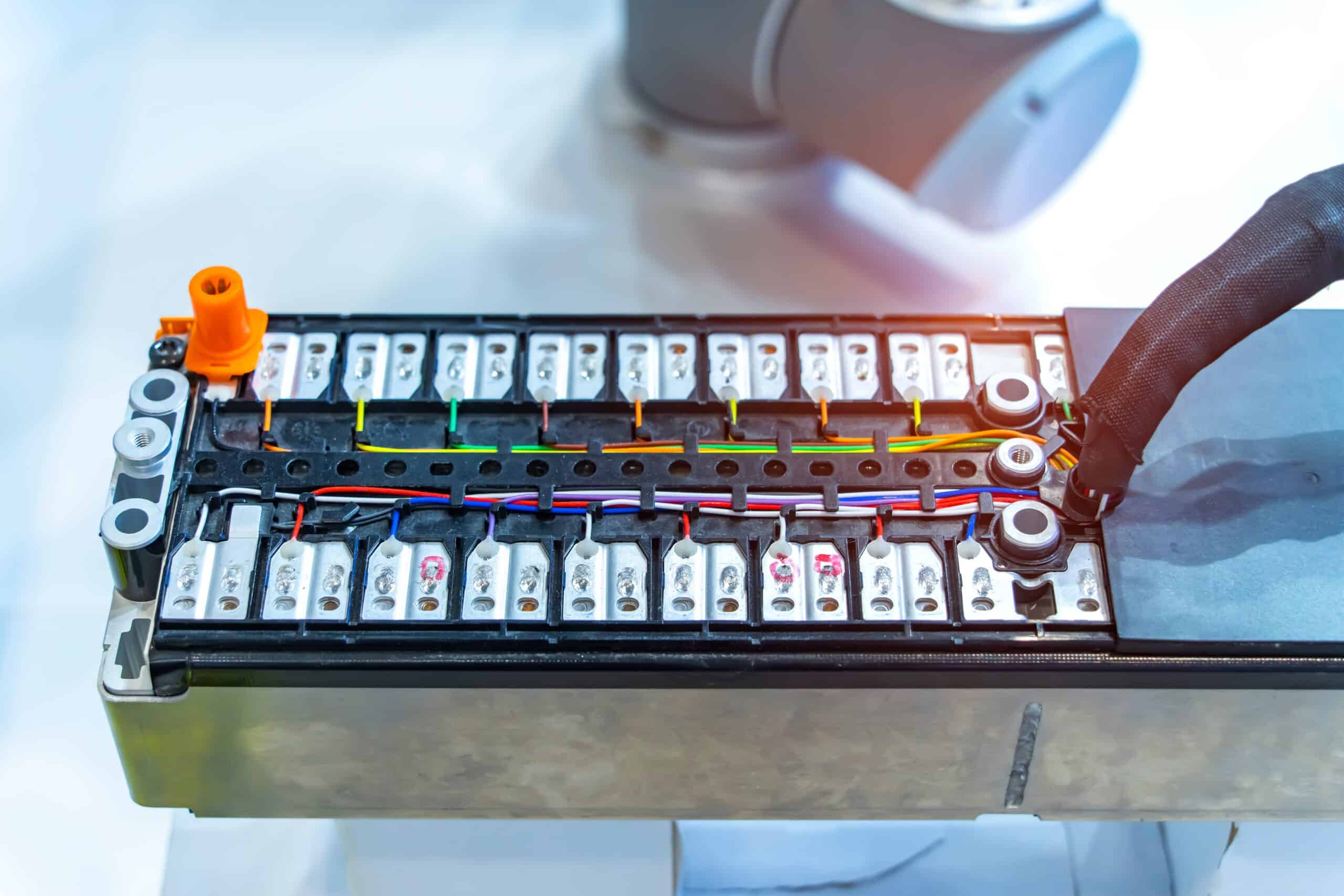
Researchers from the Vienna University of Technology have successfully engineered an oxygen-ion battery. This innovative technology stands out for its remarkable durability and noteworthy feature of not relying on rare elements, setting it apart from traditional battery systems. This breakthrough underscores the potential for sustainable and resource-efficient energy storage solutions that could revolutionize the field of battery technology.
Oxygen-ion batteries offer a significant advantage in terms of their extended lifespan. The composition of materials employed in their production enables the battery to be regenerated, preventing irreversible capacity loss during operation. Notably, the oxygen that is consumed as a result of the charging and discharging processes is replenished from the surrounding environment. This self-sustaining mechanism contributes to the battery’s longevity and underscores its potential for enduring and sustainable energy storage solutions.
The battery prototype successfully circumvents the use of elements like cobalt or nickel, which are typically found in lithium-ion batteries. Notably, these conventional materials were excluded from the composition of the battery. Furthermore, the pursuit of a substitute for lanthanum, a rare element, remains an ongoing focus within the research and development of this innovative battery technology. This dedication to finding sustainable alternatives underscores the commitment to creating more environmentally friendly and resource-efficient energy storage solutions.
A groundbreaking aspect of this technology lies in the utilization of ceramics that possess the ability to absorb and release oxygen ions with a dual negative charge. This unique characteristic allows for the migration of oxygen ions between the ceramic materials when an electrical voltage is applied, resulting in the generation of an electric current. The adoption of these ceramic materials offers an additional advantage—non-flammability. This attribute significantly diminishes the risk of fire or explosion, enhancing the safety profile of the battery technology.
Currently, the application of the oxygen-ion battery in smartphones and electric cars is not feasible. The energy density of this battery type is limited, achieving only 30% in comparison to conventional lithium-ion batteries. Moreover, its functionality is constrained to operating within a temperature range of 200 to 400°C. Despite these limitations, the discovery holds immense promise for electricity storage, particularly in scenarios like harnessing energy from renewable sources. This potential makes it an appealing contender for sustainable energy storage solutions that contribute to a greener and more efficient energy ecosystem.
The pioneering work on the innovative battery is being led by Alexander Schmid, Martin Krammer, and Jürgen Fleige from the Institute of Chemical Technology and Analysis at TU Wien. Their breakthrough findings have been detailed in the publication titled “Rechargeable Oxide Ion Batteries Based on Mixed Conducting Oxide Electrodes.” Moreover, their innovation has prompted the filing of a patent application, highlighting the significance and potential impact of their research in advancing battery technology. This comprehensive approach underscores the academic and practical efforts being dedicated to this groundbreaking energy storage solution.
If you want to learn more about the most popular lithium-ion batteries today, visit our knowledge base.
Leave a Reply