Weasel Solar Farm – Sheep Grazed Among PV Panels
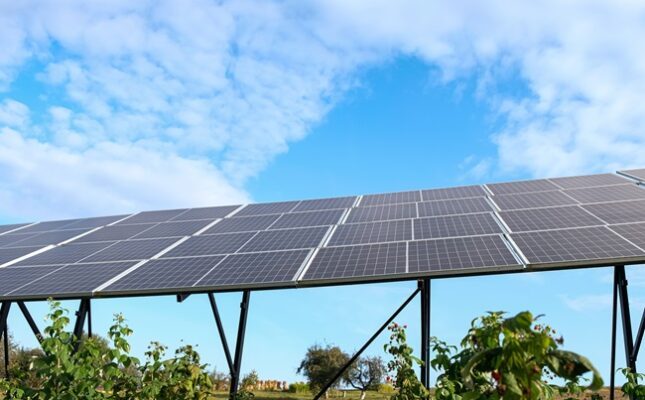
In the Heart of Tasmania, Weasel Solar Farm Blends Renewable Energy and Agriculture
Just 9 km north of Bothwell, Tasmania, a groundbreaking renewable energy project is taking shape that could become a model for Australia’s energy transition. The Weasel Solar Farm, currently undergoing environmental assessment under Australia’s Environmental Protection and Biodiversity Conservation Act, combines a 250 MW photovoltaic power plant with a 576 MWh battery energy storage system (BESS).
A Local Project with Global Impact
Spearheaded by the Downie family of Dungrove and the Bowden family of Weasel Plains in collaboration with consulting firm Alternate Path from Victoria, the initiative aims to develop infrastructure that supports Australia’s renewable goals while benefiting the local community and environment.
Located within the planned Tasmania Midlands Renewable Energy Zone (T3 REZ), the project will connect to the National Electricity Market (NEM), facilitating integration with Australia’s transmission infrastructure.
Innovation and Infrastructure
At the core of the project are 4,000 single-axis tracking PV modules installed across 270 hectares. The co-located battery storage facility, rated at 144 MW/576 MWh, will be housed in standard 20-foot containers across 3 hectares and include inverters and grid integration infrastructure. A new 33kV/22kV transformer station and a 220kV substation—destined for ownership by state utility TasNetworks—will ensure effective energy distribution during peak demand.
Agrivoltaics: Farming Under the Panels
An innovative aspect of the project is the integration of solar energy and agriculture. Sheep grazing will continue among the solar panels, demonstrating how farming and clean energy production can coexist. The project also includes plans to maintain and enhance adjacent forest practices.
The Strategic Role of Energy Storage
While Tasmania is renowned for its wind energy potential—especially from the roaring forties—the addition of solar projects with battery storage offers valuable grid flexibility. Energy can be stored from both solar and wind sources and dispatched when needed most.
This trend is gaining traction among investors, as seen with earlier proposals like the 450 MW Bashan Wind Farm and the $1.5 billion AUD Cellars Hill Wind Farm, which includes a BESS with a 2,400 MWh capacity.
Source: energy-storage.news
Leave a Reply