Greenpeace Halts Operations at Part of Turów Mine — Rising Costs and Safety Risks for Miners
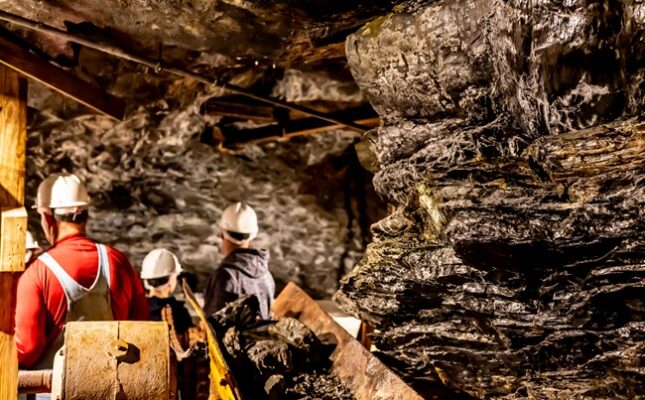
Greenpeace Activists Blockade Turów Mine in Protest Against Coal Extraction
Greenpeace activists, citing the need to protect the climate and natural environment, have decided to blockade part of the Turów lignite mine. According to reports, several individuals entered the mining site and displayed banners to express their opposition to the continued extraction of the resource. While past disputes about Turów have mainly focused on issues related to water resources and air pollution, Greenpeace is now emphasizing the urgent need to reduce greenhouse gas emissions. Activists argue that the continued operation of the mine is delaying the energy transition and hindering the development of cleaner, renewable energy sources.
Safety Concerns for Miners
The spontaneous blockade of the mine has raised concerns about the safety of workers. Media reports indicate that some miners had to halt their tasks out of fear of potential accidents, as individuals who are not trained in navigating the mine’s complex terrain could pose a risk both to themselves and to the trained professionals working there.
The mine’s authorities have pointed out that the open-pit mine is a complex system where the operation of various machines and devices is interconnected. Even a small disruption can destabilize the entire operation. Attempts to halt parts of the mining process by individuals unfamiliar with safety protocols could pose a real danger. Greenpeace activists, however, maintain that their actions are peaceful and aim solely to spark a debate about Poland’s energy future, not to confront the workers.
Financial Issues and Potential Penalties
Both the mine’s management and local authorities emphasize that halting operations, even in one section of the mine, incurs significant costs. These increased expenses are not limited to the production stoppages but also include potential fines and compensation if the coal delivery schedule is not met.
The protest at Turów has resonated not only among environmental experts but also throughout the entire energy sector. Companies involved in coal extraction and power generation have called for calm and adherence to health and safety regulations. They argue that uncontrolled actions at the mine could pose a real threat to the infrastructure, and any financial losses may lead to higher electricity bills for end consumers.
On the other hand, environmental organizations believe that a clash of interests is inevitable, given that the energy transition requires a radical reduction in lignite extraction in Poland. Many experts argue that actions like the one at Turów are designed to shake public opinion and accelerate the creation of more ambitious plans to reduce greenhouse gas emissions.
The Dilemma Between Mining Tradition and the Need for Change
The region around Bogatynia, where the Turów mine operates, has deep ties to lignite mining and coal-based energy production. Locals have frequently pointed out that there are few alternative jobs offering stable employment and comparable wages in the area. Closing the mine, they argue, would lead to a drastic decline in economic conditions, especially since the power plant and the mine have long driven the local economy.
On the other hand, Greenpeace’s actions highlight the contradiction between continuing lignite extraction and the EU’s climate policies. Environmental organizations are calling for increased investment in renewable energy sources, such as wind and solar farms. Geothermal energy is also cited as a potential significant support for Poland’s energy transition. Decarbonization was a topic discussed at our conference: “Decarbonization – But Why?,” part of the broader discussion at the “Energy Transition and Energy Storage 2025” conference.
One thing is certain: the protest at Turów underscores the growing tensions between those advocating for rapid decarbonization and those concerned about the socio-economic consequences of such change. At the heart of this dispute are miners, who – regardless of the perceived legitimacy of the blockade – are most worried about losing their jobs and stable incomes.
Sources: biznesalert.pl
Leave a Reply