Australian Government Launches AUD 1 Billion Green Iron Investment Fund
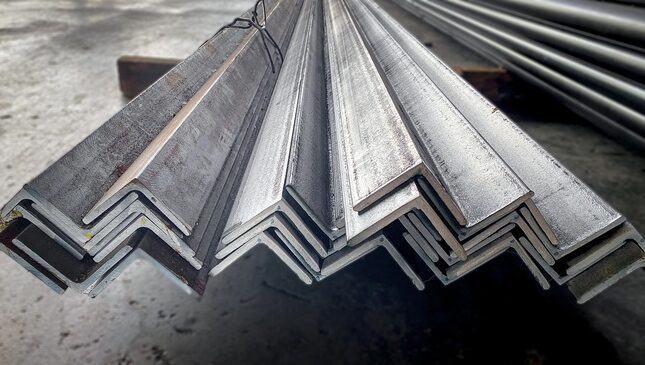
On Thursday, the Australian government announced the creation of the Green Iron Investment Fund, a fund worth AUD 1 billion (USD 635 million / EUR 609 million), aimed at supporting the development of green steel production and related supply chains. This new initiative aligns with the global trend of decarbonizing the metallurgical industry and strengthens Australia’s position as a global leader in sustainable raw material production.
Investing in Steel Sector Transformation
Out of the new fund, at least AUD 500 million will be allocated to support existing and emerging facilities across the country. The remaining AUD 500 million is earmarked for the transformation of the Whyalla steelworks, which was placed under temporary administration on Thursday.
Simultaneously, the federal government and the government of South Australia announced a rescue package worth AUD 2.4 billion to save the Whyalla plant. As part of this package, the new owner will receive AUD 1.9 billion for upgrades and new infrastructure, securing the plant’s long-term future.
Green Steel – The Future of Metallurgy
Green steel refers to steel produced with minimal or zero carbon emissions. Traditional steelmaking relies heavily on coking coal, which generates significant CO₂ emissions. A greener alternative is the use of hydrogen as a reducing agent in the iron ore smelting process, which can bring emissions close to zero.
As the world’s largest producer of iron ore, Australia has the natural resources needed to become a global leader in green steel production. The development of renewable energy sources, such as solar and wind, is also key to powering hydrogen production for the steel industry.
Minister for Industry and Science Ed Husic emphasized:
“The Australian government is backing our green metals producers at a time when the world is shifting toward a net-zero economy. The Green Iron Investment Fund allows us to leverage our iron ore supply chain, renewable energy potential, world-class research, and highly skilled workforce.”
A Sustainable Business Model
The steel industry’s transformation is not only driven by innovative technologies but also by a new approach to business models focused on sustainability. Companies aiming to stay competitive in the face of global climate change must integrate eco-conscious practices throughout their operations. A key goal is carbon neutrality, which requires a wide range of initiatives and strategies.
These efforts include:
Recycling and resource efficiency – The new steel production model emphasizes minimizing waste and maximizing material use. Companies strive to establish a circular economy, which limits natural resource consumption and boosts production efficiency.
Green logistics – Alongside production changes, companies are implementing low-emission transport solutions such as electric rail and hydrogen-powered ships to reduce emissions in steel distribution.
Comprehensive Industrial Decarbonization Strategy
This new fund is part of a broader strategy to support the mining and energy sectors. Other key Australian government initiatives include:
AUD 2 billion for developing domestic aluminium production,
Tax incentives for hydrogen and critical minerals production,
Investments in renewable energy, BESS systems, and transmission networks.
Since the steel industry is among the most energy-intensive sectors, its transformation is crucial in the global fight against climate change. As a major player in raw materials, Australia seeks to play a key role by combining its rich natural resources with advanced technology and innovation investment.
Australia’s Green Steel Future
The new fund represents not only a step toward a greener economy but also an attempt to strengthen Australia’s steel sector competitiveness in global markets. With growing demand for low-emission steel, Australia aims to become a key supplier of green materials and technologies for this transformation.
With the right investments, the government expects the country to evolve into a hub for green metal production, attracting international capital and generating high-tech jobs in the process.
Source: renewablesnow.com
Leave a Reply